PPE and hygiene in the dairy industry
Control of microbiological and physical risks in dairy production
The dairy industry encompasses various production processes: from milk processing and fermentation to cream, butter and powder production and chilled ready-to-eat products such as yoghurt and desserts. In all these environments, microbiological control, hygiene and product integrity are key.
In practice, the correct use of food-grade disposables and PPE determines whether hygiene protocols are actually followed on the shop floor. In this way, they form a direct link between written policy and day-to-day practice on the shop floor.
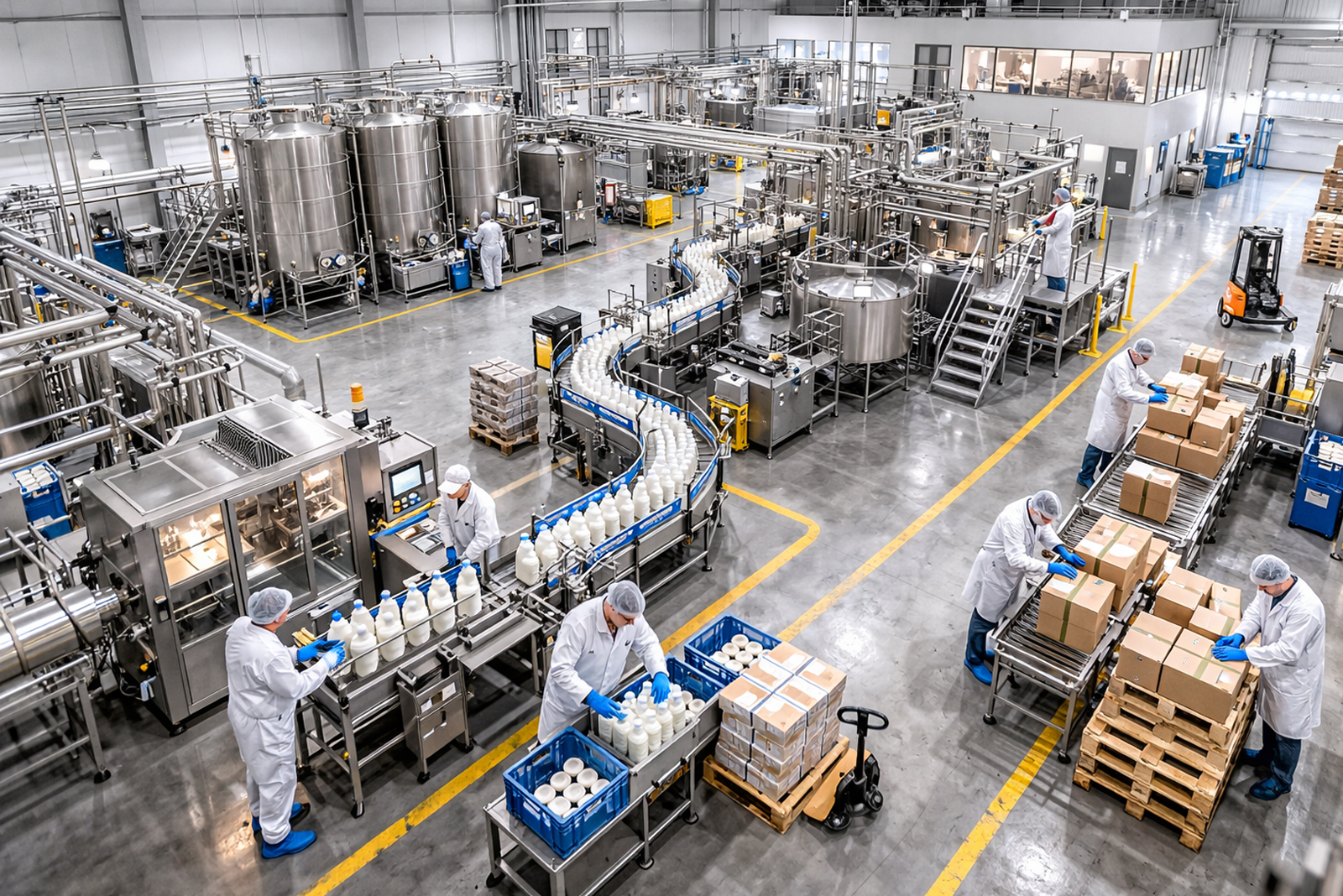
Important guidelines for hygiene and food safety in the dairy industry
Dairy products form an ideal breeding ground for microorganisms. Bacteria such as Listeria monocytogenes can multiply rapidly under favourable conditions. In addition, physical contamination, such as hair, fibres, plasters or plastic particles, poses a direct risk to product integrity.
Therefore, standards such as HACCP, BRCGS Food Safety, IFS and FSSC 22000 set clear requirements for personal hygiene, the use of disposables, the application of colour coding per hygiene zone and the control of cross-contamination. Documentation and supervision are also inseparably linked to these systems.
The safe use of disposables and PPE is not a standalone measure, but part of a verified hygiene system.
Microbiological control in chilled and RTE dairy
Many dairy products fall within the category of chilled ready-to-eat (RTE). Because these products are no longer heated after production, control of microbiological risks is crucial. Pathogens such as Listeria monocytogenes can persist in wet production environments, particularly when biofilms form on equipment or in hard-to-reach areas.
This applies to liquid milk, yoghurt, custard, quark, cream products and chilled desserts. Therefore, not only product hygiene but also environmental and equipment hygiene are decisive for food safety and shelf life. The correct use of hygienically designed tools and appropriate PPE supports this control.
Hygiene monitoring and verification of cleaning
Cleaning is only demonstrably effective when it is verified. Within the dairy industry, hygiene monitoring therefore forms an integral part of the cleaning and validation process.
With the help of ATP measurements (adenosine triphosphate), it can quickly be determined whether organic contamination has demonstrably been removed from surfaces. This rapid verification method provides direct insight into the cleaning performance of equipment, worktops and contact surfaces.
In addition, microbiological contact tests, such as dip slides for total viable count, Enterobacteriaceae, yeasts or moulds, can be used to monitor the presence of microorganisms. These tests support trend analysis, release procedures and the demonstrable control of hygiene risks within HACCP systems.
By not only carrying out cleaning but also systematically checking and documenting it, food safety becomes measurable and audit-ready.
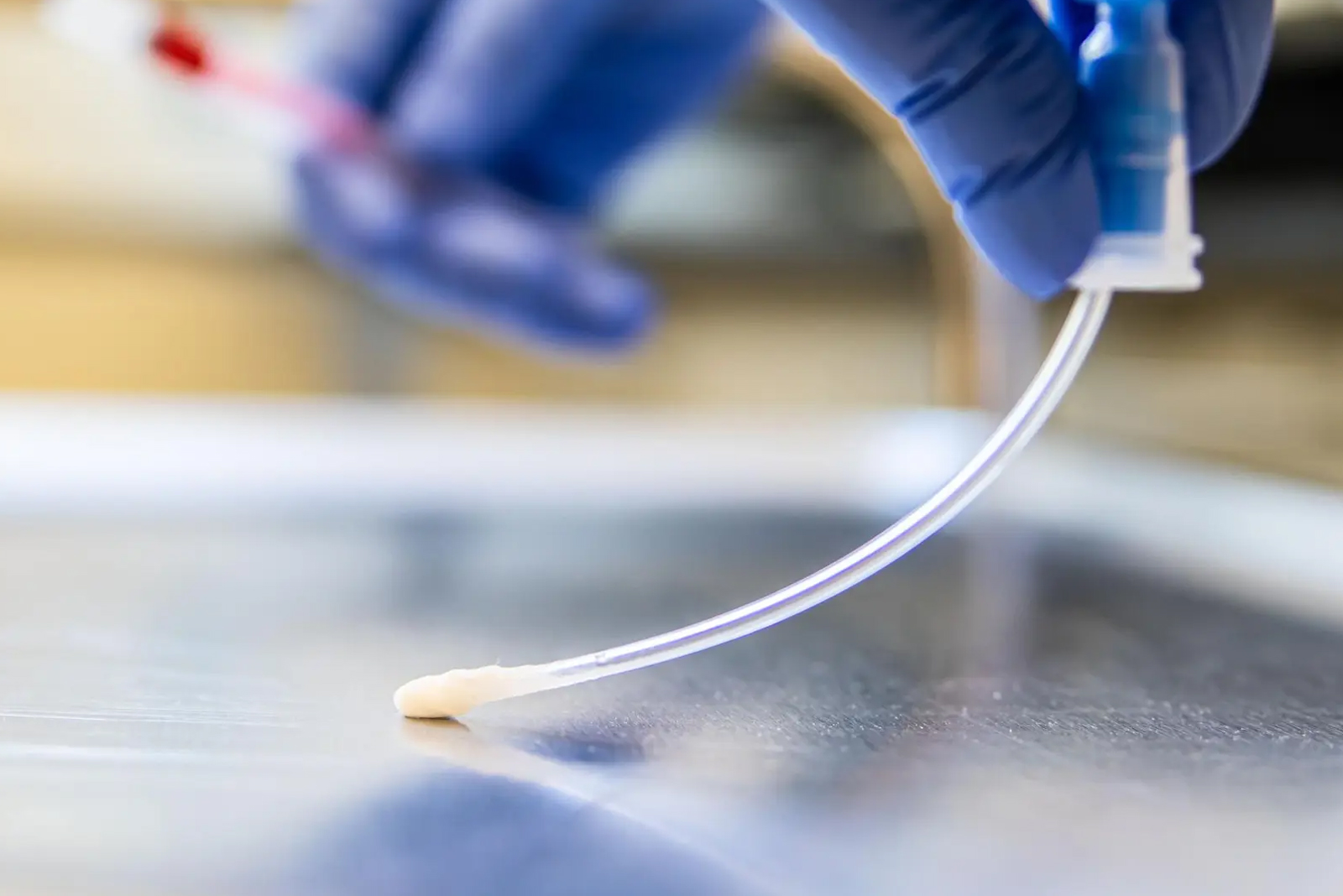
Practical points of attention when cleaning in dairy environments
Effective hygiene in the dairy industry starts with the right choice of cleaning tools. Not every type of contamination requires the same approach. Caked milk or protein residues in pasteurization lines require stiffer brushes, while wet, semi-solid contamination such as curd or yoghurt mix is better removed with medium-stiff bristles. For loose dry contamination, such as milk powder in spray dryers or packaging areas, a softer brush is often sufficient.
The choice between a brush and a squeegee also affects the result. A one-piece, hygienically designed squeegee is easier to clean and disinfect than foam blades, which wear out faster and are more difficult to keep clean. In some situations, a squeegee is also more effective than a brush, for example when removing wet residues without clogging the bristles.
Caution is required when using scrapers. Metal blades can damage surfaces, causing microscopic scratches that reduce cleanability and increase the risk of physical contamination.
The effectiveness of cleaning depends not only on the right tool, but also on correct use and maintenance. A validated cleaning programme, clear instructions and regular maintenance are essential to ensure performance throughout the entire service life.
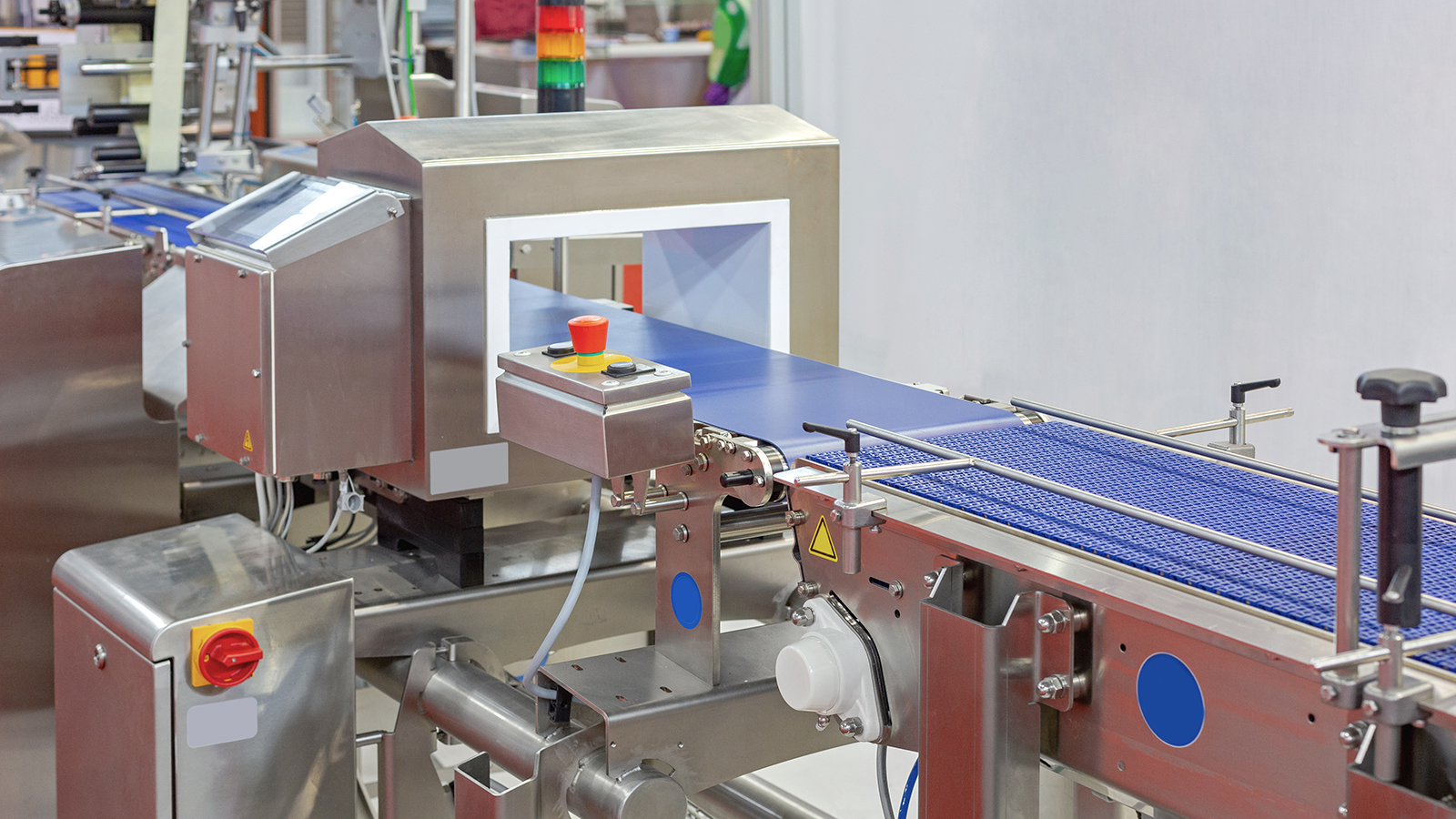
Control of foreign objects originating from cleaning materials
Cleaning tools themselves form a potential source of physical contamination. Brush fibres, rubber parts, fastening materials or damaged components can become detached and end up in the product. Within standards recognized by the Global Food Safety Initiative (GFSI), such as BRCGS, IFS and FSSC 22000, explicit requirements are set for controlling foreign objects originating from equipment and tools.
Brushes in particular require attention. Bristles can break off, be cut by sharp surfaces or become detached when they get caught in equipment. This risk cannot be completely eliminated, but it can be controlled through a careful selection of materials, a hygienic design without loose fastenings and a preventive maintenance programme.
The use of detectable products provides additional assurance in certain situations, but never replaces proper selection, inspection and timely replacement of cleaning tools.
A verified hygiene system requires regular visual inspection, documented inspections and clear replacement criteria.
Popular detectable products
Safe use of disposables in dairy processes
Food-grade standardized disposables are used to control direct contact between employee and product and to prevent contamination. Think of hair and beard protection, disposable gloves, aprons, oversleeves and overshoes.
Within the dairy industry, disposables must be suitable for direct food contact and must not release fibres or loose parts. In addition, it is essential that they are replaced in a timely manner according to established procedures and, where necessary, are visible or detectable in order to keep physical risks manageable.
Especially in departments where metal detection or X-ray inspection takes place, detectable plasters and tools are indispensable to quickly detect foreign objects.
Personal protective equipment in the dairy sector
Dairy production involves specific process and occupational risks, for which appropriate PPE is indispensable. Dairy production involves various conditions: chilled areas, wet floors, CIP operations using chemicals and mechanical processing.
Depending on the process step, additional protection may be necessary, such as slip-resistant safety shoes in wet areas, chemically resistant gloves during cleaning activities or cut-resistant gloves during manual operations. In mechanical zones, hearing protection is often required, while during CIP operations splash or face protection may be necessary.
The choice of PPE must align with the current risk assessment and the HACCP analysis of the relevant department.
Dairy processes per product group
Dairy production encompasses various processes, from liquid milk processing and fermentation to cream, butter and powder production. Each of these processes has its own risks in the field of hygiene, microbiology and physical contamination. The nature of the product, the processing step and the environmental conditions determine which control measures are necessary.
- Milk processing
During receipt, pasteurization and cooling of milk, the focus is on microbiological control and strict separation between raw and heated product flows. Hand hygiene, correct use of gloves and clear clothing regulations are essential here. - Yoghurt and fermentation processes
Fermentation processes are sensitive to disruption. Insufficient hygiene can lead to deviating cultures or product rejection. Hair and beard protection, correct glove change moments and strict zone separation are decisive here for process stability. - Cream and high-fat products
Products with a high fat content are susceptible to mold growth and physical contamination. Waterproof gloves, aprons and clear colour coding per zone contribute to a controlled working method. - Cheese production within the dairy chain
Within the broader dairy sector, cheese production plays a separate role, with additional risks during brining, ripening and packaging. In these phases, detectable products and strict compliance with clothing regulations are of great importance.
Colour coding and zone separation
Many dairy companies work with fixed colour codes per hygiene zone, process step or product group. This prevents materials or PPE from being accidentally moved between high-care and low-care zones.
Colour coding makes visual control easier and supports employees in complying with clothing regulations. At the same time, it helps limit cross-contamination and make processes audit-ready.
Food-grade work materials, such as hygienically designed tools from Vikan, align seamlessly with this approach.
Occupational safety within dairy production
In addition to food safety, occupational safety also requires attention. Wet floors, sharp tools and cleaning chemicals increase the risk of incidents.
During activities, employees are exposed to various risks, such as slipping on wet floors, cutting incidents during manual operations and exposure to cleaning and disinfecting agents. Wearing safety shoes or boots with slip-resistant soles is crucial in wet production environments to reduce the risk of slipping. Working in chilled or cold areas also requires appropriate protection.
The selected equipment must therefore always support both product protection and employee protection.
Popular safety shoes and boots
Workwear within dairy environments
Suitable workwear supports both hygiene and employee safety in the dairy industry. In wet production environments, waterproof workwear, such as spray coats, coveralls and food-grade anoraks, provides protection against moisture, fats and cleaning agents. In high-care zones, additional disposable workwear, such as visitor coats, disposable coveralls and liquid-tight aprons, may be required to limit cross-contamination.
Working in chilled areas also requires thermal clothing that provides insulation without restricting freedom of movement. The choice of workwear must always align with the hygiene zone and the HACCP risk analysis, so that both product integrity and occupational safety are safeguarded.
The basis for safe and compliant use
An effective approach starts with an up-to-date HACCP risk analysis in which PPE requirements and hygiene requirements are clearly defined. Based on this, clothing regulations, change procedures and registrations are set up.
In concrete terms, this means: clear instructions per department, fixed change moments for gloves and clothing, recorded inspection rounds and a clear replacement procedure for PPE and cleaning tools. This makes it visible during audits that procedures not only exist on paper but are actually carried out.
Popular products for dairy production

Advice from PPE specialists
Working safely in the dairy industry requires practical knowledge. Our PPE specialists provide advice based on HACCP risk analyses and the requirements of BRCGS, IFS and FSSC 22000, grounded in the realities of day-to-day dairy production. This helps organisations keep microbiological and physical risks under control and be well prepared for audits.
Email us at info@safetyproducts.com or call +31 (0)314 757 300.
You might also like

EN 14404:2024 updated standard for knee protection
What does this mean in practice? In many professions, knee protection is essential, especially where prolonged kneeling...

New rules for allergen labelling from January 2026
Allergen warnings must be better substantiated From 1 January 2026, new rules for allergen labelling will come into forc...

Allergen Management in the Food Industry
Managing allergens in daily food production Allergens are a distinct risk within food safety. Unlike microbial risks, ev...

FSSC 22000 Certification
The globally recognised standard for food safety management FSSC 22000 (Food Safety System Certification) supports organ...
Detectable versus Non-Detectable
Why are detectable products relevant in production environments? On a production line, a broken pen or a lost plaster ca...

African Swine Fever (ASF): Reducing the Risk of Infection
The Human Factor Makes Farms Vulnerable – Hygiene and PPE Are Critical for Prevention African Swine Fever (ASF) contin...
Avian Influenza H5N1: Risks, Prevention and PPE
Practical Hygiene and PPE Measures for Work Involving Poultry Avian influenza, including the H5N1 virus, is a recurring...

IFS Food: International Standard for Food Safety
IFS Food and the Requirement for Waterproof Plasters IFS Food is one of the most widely recognized food safety standards...

Nitrile gloves – food grade
High-quality disposable nitrile gloves Disposable blue nitrile gloves are nowadays the standard in the food industry, th...
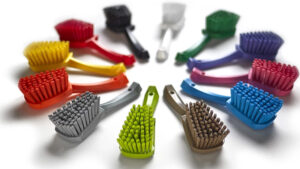
Colour coding for food safety in the food industry
Prevent cross-contamination with clear colour zones Colour coding in the food industry is a simple principle with substa...
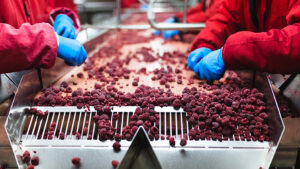
Why Blue Is Commonly Used in Food Production Environments
Visibility and Detectability of Blue Products in Food Processing In food production, colour is not a design choice. It s...

Safe Use of Disposables and PPE in the Cheese Industry
Essential Guidelines for Hygiene and Food Safety in Cheese Production Cheese production takes place in an environment wh...