African Swine Fever (ASF): Reducing the Risk of Infection
The Human Factor Makes Farms Vulnerable – Hygiene and PPE Are Critical for Prevention
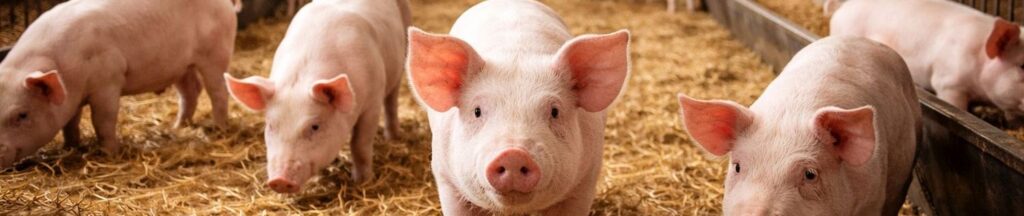
African Swine Fever (ASF) continues to occur in several parts of Europe. Hygiene measures and the use of appropriate PPE play a key role in limiting the introduction and spread of the virus. In several Member States, outbreaks have previously been identified in both wild boar and domestic pigs, demonstrating how easily the virus can spread within a region.

Severe Viral Disease in Pigs and Wild Boar
African Swine Fever is a highly contagious and almost always fatal viral disease affecting pigs and wild boar. The virus attacks the blood vessels, causing high fever, haemorrhaging and death within a matter of days.
The virus does not pose a risk to humans or other animal species, but it can spread rapidly through:
- Direct contact between infected animals
- Contaminated carcasses or pork products
- Contaminated vehicles, clothing, footwear, equipment or food
- Contaminated feed or bedding
The ASF virus can survive for weeks in blood, faeces and pork products; according to the World Organisation for Animal Health (WOAH), it can persist for months at low temperatures.
International authorities such as the World Organisation for Animal Health (WOAH) and the European Food Safety Authority (EFSA) emphasise that the threat remains constant due to the ongoing circulation of the virus across multiple regions.
Farms must therefore strictly adhere to hygiene protocols and implement all measures that contribute to effective biosecurity practices on and around the premises.
Spread in Europe
According to the EFSA, African Swine Fever occurs periodically in various European regions, affecting both wild boar and domestic pigs.
To prevent further spread, affected countries implement control measures such as hunting restrictions, carcass removal, transport bans and the establishment of restricted zones around outbreak areas.
Due to the mobility of wild boar and human activity, African Swine Fever can spread relatively quickly. A single introduction of the virus can have significant economic consequences for the pig industry, including mandatory culling, trade restrictions and prolonged recovery measures.
Advice for the Public and Outdoor Workers
For visitors to wooded areas, hunters and people working outdoors, the following measures are recommended to help prevent the spread of African Swine Fever:
- Avoid contact with wild boar
- Report dead or sick animals to the relevant local animal health authority or land management body
- Thoroughly clean boots, vehicles, clothing and equipment after activities in high-risk areas
- Do not bring meat or animal products from affected areas, in order to prevent the spread of the virus through human activity
Recommended PPE for Biosecurity and Decontamination Activities
In ASF situations, PPE is not used to protect people from the virus itself, but to prevent the virus from being carried on clothing, footwear and equipment. During cleaning and disinfection activities, there is often an additional risk of chemical exposure.
The following PPE categories are commonly used for this type of work (depending on protocols and the products used):
- Eye and face protection for spraying activities
- Body protection: Liquid-repellent or disposable coveralls
- Foot protection: Rubber boots with overshoes
- Hand protection: Nitrile gloves with high chemical resistance
- Respiratory protection: When cleaning and using disinfectants
In addition to general biosecurity measures, wearing appropriate PPE is essential during all high-risk activities. Select PPE that is suitable for the substances being used (disinfectants, foam, spray applications) as well as for the contamination risk within the working zone. If in doubt, consult your internal protocol or PPE adviser.
Biosecurity in Pig Farming: Key Measures
International animal health authorities and industry guidelines emphasise the importance of strict biosecurity to keep African Swine Fever (ASF) out of pig farms. This includes, among other measures:
- Restrict access to the farm and keep a clear record of all visitors
- Use dedicated farm clothing and footwear that remain on site
- Source feed and bedding only from reliable and approved suppliers
- Never feed pigs with kitchen waste or food scraps.
Monitoring and Surveillance
National veterinary authorities and animal health agencies conduct ongoing surveillance of wild boar populations and high-risk import flows. In cases of suspected infection, sick or dead animals are tested and affected farms are immediately placed under movement restrictions.
Procedures for culling, cleaning, disinfection and contact tracing are set out in national contingency plans and aligned with international animal health standards.
Commonly Used PPE in ASF Situations
Integrated Biosecurity Makes the Difference
African Swine Fever demonstrates that a single weak link is enough to allow the virus to spread. Hygiene and strict site rules only work when they are applied consistently by everyone who enters or leaves the farm.
Clear agreements between farmers, transport operators, hunters and other visitors are essential. When all parties follow the same basic rules regarding clothing, footwear and cleaning procedures, the risk of infection can be significantly reduced.
No Vaccine Available: Prevention Remains the Primary Control Measure
The European Food Safety Authority (EFSA) and the World Organisation for Animal Health (WOAH) state that research into vaccines is ongoing. However, for the time being, prevention relies primarily on biosecurity, rapid reporting and strict hygiene procedures.
That is why farms place strong emphasis on access control, visitor management and thorough cleaning and disinfection.

Advice from a PPE Specialist
Do you have questions about selecting the right personal protective equipment or its correct use during activities involving contamination risks? Our PPE specialists are happy to provide professional, no-obligation advice. We can assist you in choosing suitable protective clothing, gloves, boots and respiratory protection that comply with applicable animal health and biosecurity guidelines.
Email us at info@safetyproducts.com or call +31 (0)314 757 300.
You might also like

EN 14404:2024 updated standard for knee protection
What does this mean in practice? In many professions, knee protection is essential, especially where prolonged kneeling...

New rules for allergen labelling from January 2026
Allergen warnings must be better substantiated From 1 January 2026, new rules for allergen labelling will come into forc...

Allergen Management in the Food Industry
Managing allergens in daily food production Allergens are a distinct risk within food safety. Unlike microbial risks, ev...

FSSC 22000 Certification
The globally recognised standard for food safety management FSSC 22000 (Food Safety System Certification) supports organ...
Detectable versus Non-Detectable
Why are detectable products relevant in production environments? On a production line, a broken pen or a lost plaster ca...
Avian Influenza H5N1: Risks, Prevention and PPE
Practical Hygiene and PPE Measures for Work Involving Poultry Avian influenza, including the H5N1 virus, is a recurring...

ISO 22000: the standard for food safety
International food safety management from raw material to distribution ISO 22000 is a globally recognized standard for f...

IFS Food: International Standard for Food Safety
IFS Food and the Requirement for Waterproof Plasters IFS Food is one of the most widely recognized food safety standards...

Nitrile gloves – food grade
High-quality disposable nitrile gloves Disposable blue nitrile gloves are nowadays the standard in the food industry, th...

Colour coding for food safety in the food industry
Prevent cross-contamination with clear colour zones Colour coding in the food industry is a simple principle with substa...
Why Blue Is Commonly Used in Food Production Environments
Visibility and Detectability of Blue Products in Food Processing In food production, colour is not a design choice. It s...

Safe Use of Disposables and PPE in the Cheese Industry
Essential Guidelines for Hygiene and Food Safety in Cheese Production Cheese production takes place in an environment wh...