BRC (BRCGS): the international standard for food safety
Everything you need to know about the BRC standard, certification and hygiene requirements
The BRC Global Standard for Food Safety (BRC) is one of the most widely used food safety standards in the international food industry. The abbreviation BRC refers to the British Retail Consortium, the organisation that originally developed the standard.
For many producers, BRC certification is a requirement to supply major retailers and export markets. Supermarket chains, retailers and international buyers use this standard to verify that suppliers produce safely, hygienically and consistently.
In this article you will learn what BRC exactly means, who needs to work with it, and which hygiene requirements apply. The use of food grade disposable protective equipment and PPE plays a crucial role in this.

What is BRC?
BRC is an international food safety certification standard that helps companies control risks, safeguard quality processes and produce products that are traceable and compliant with legislation. The standard is now officially known as BRCGS (Brand Reputation through Compliance Global Standards), but in practice both terms are used interchangeably.
The standard was originally developed by British retailers but is now recognised worldwide. BRC is considered one of the strictest food safety standards and is closely related to the International Featured Standards (IFS). The standard is also based on the principles of Hazard Analysis and Critical Control Points (HACCP), which are widely used globally to structure food safety management.
The key components of BRC
BRC consists of multiple chapters and requirements, but is essentially built around three pillars:
- 1. Food safety and hygiene: This includes requirements relating to personal hygiene and PPE, cleaning and disinfection, allergen management and the prevention of cross-contamination. Infrastructure – such as water quality, airflow and facility design – also plays a role.
- 2. Quality management and documentation: BRC requires a solid quality management system (QMS). This includes up-to-date procedures, complaint handling, recall management, internal audits, supplier evaluation and a risk analysis based on HACCP principles.
- 3. Product integrity and traceability: A company must be able to demonstrate that products are fully traceable, comply with legislation and customer requirements, and remain free from contamination throughout the entire lifecycle.
Together, these three pillars determine how companies are assessed during BRC audits.
For whom is BRC mandatory or relevant?
BRC is not legally mandatory, but it is often contractually required by retailers, wholesalers and international buyers.
The standard is particularly relevant for companies that produce or process food, package or repackage food, operate under private label, or export to markets where BRC certification is required.

Popular products for food safety
Hygiene and PPE within BRC
Just like with HACCP and IFS, hygiene plays a central role. Employees must prevent contamination or foreign materials from entering the food process. Therefore, suitable PPE such as hairnets, beard masks, disposable gloves and protective clothing are essential.
In many production environments, detectable products – such as gloves or bandages – are also mandatory due to metal detection or X-ray inspection.
Bandages within BRC: what are the requirements?
The BRC standard states that bandages must be hygienic, adhere well (also in moist conditions), be highly visible in colour and be detectable when metal detection is used. Many companies also choose waterproof bandages, because additional standards such as IFS impose this extra requirement.
Safety Products offers waterproof PE (polyethylene) and PU (polyurethane) bandages in various sizes, including detectable wound care solutions for locations with metal detection.
How do you comply with BRC within your organisation?
To comply with BRC, companies must establish and maintain a robust food safety system. The standard is part of the broader BRCGS standards, which are used internationally to assess food safety and product integrity.
Key actions include:
- Ensure an up-to-date risk analysis and clear procedures.
- Train employees in hygienic working practices and the correct use of PPE (see hygiene requirements above).
- Document critical processes with proper records.
- Register deviations and implement corrective measures.
- Strictly enforce hygiene zones and clothing regulations.
A well-implemented system ensures that an audit runs smoothly and that both internal and external controls can be carried out reliably. These personal protective equipment products help ensure that cleaning activities can be performed safely and hygienically, even when using powerful cleaning or disinfecting agents.
BRCGS Issue 9 and detectable products
Within BRCGS Issue 9, there is a strong emphasis on controlling physical contamination and preventing foreign objects in open product flows. An important focus point within audits is the use of tools such as writing instruments in hygienic production areas.
BRCGS states that pens and markers must be controlled in such a way that the risk of loose parts is minimal, and that they must be detectable via metal detection, X-ray detection or both.
In our article about BRCGS Issue 9, we explain what clause 4.9.6.2 specifically means, why fully detectable writing instruments (including internal components) further reduce risk, and how product specifications and datasheets can support audit evidence.

Advice from a PPE specialist
Do you want to be sure that your organisation complies with BRC requirements and that your employees have access to safe, certified PPE and hygiene products?
Our specialists advise companies in the food industry, catering and logistics every day on food safety certified solutions and reliable personal protective equipment.
Email us at info@safetyproducts.com or call +31 (0)314 757 300.
You might also like

Allergen Management in the Food Industry
Allergen control is a recurring theme in audits, recalls, and product integrity Allergens form a separate risk category...

FSSC 22000 Certification
The globally recognised standard for food safety management FSSC 22000 (Food Safety System Certification) supports organ...
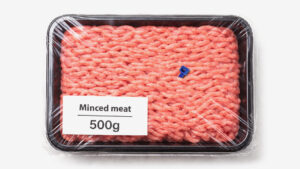
Detectable versus Non-Detectable
Why are detectable products relevant in production environments? On a production line, a broken pen or a lost plaster ca...

African Swine Fever (ASF): Reducing the Risk of Infection
The Human Factor Makes Farms Vulnerable – Hygiene and PPE Are Critical for Prevention African Swine Fever (ASF) contin...
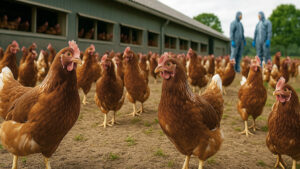
Avian Influenza H5N1: Risks, Prevention and PPE
Practical Hygiene and PPE Measures for Work Involving Poultry Avian influenza, including the H5N1 virus, is a recurring...

IFS Food: International Standard for Food Safety
IFS Food and the Requirement for Waterproof Plasters IFS Food is one of the most widely recognized food safety standards...

Nitrile gloves – food grade
High-quality disposable nitrile gloves Disposable blue nitrile gloves are nowadays the standard in the food industry, th...
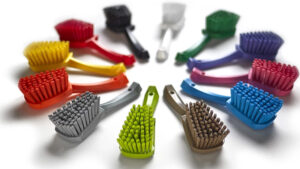
Colour coding for food safety in the food industry
Prevent cross-contamination with clear colour zones Colour coding in the food industry is a simple principle with substa...
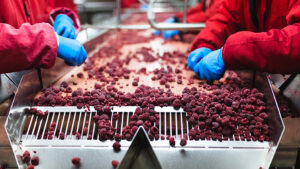
Why Blue Is Commonly Used in Food Production Environments
Visibility and Detectability of Blue Products in Food Processing In food production, colour is not a design choice. It s...

Safe Use of Disposables and PPE in the Cheese Industry
Essential Guidelines for Hygiene and Food Safety in Cheese Production Cheese production takes place in an environment wh...

The 5S Lean Method: Structure and Organization on the Shop Floor
Workplace organization as the foundation for safe and efficient operations Order and organization on the shop floor requ...

PPE and hygiene in the dairy industry
Control of microbiological and physical risks in dairy production The dairy industry encompasses various production proc...