HACCP: how the mandatory food safety system works
Discover what HACCP involves and why it is mandatory
HACCP (Hazard Analysis and Critical Control Points) is one of the most important foundational standards in the international food chain. Food service businesses, transport companies, wholesalers and food manufacturers use this system to identify and control food safety risks at an early stage.
In many countries, HACCP is a mandatory system for businesses operating in the food industry. The principles of HACCP are defined internationally by the Codex Alimentarius Commission, established by the FAO and WHO. Organisations must be able to demonstrate that they control risks, monitor processes and correct deviations in a timely manner.

What is HACCP?
HACCP is an internationally recognised food safety system that helps organisations analyse risks and define control measures.
This systematic approach identifies all potential hazards within the food process, such as bacterial contamination, physical hazards or allergens.
Who is HACCP mandatory for?
In many countries, HACCP is mandatory for businesses involved in preparing, processing, packaging, transporting or storing food.
This includes food manufacturers, hotels, restaurants and cafés, butcheries, bakeries, caterers, wholesalers and logistics service providers.
In some countries, smaller businesses are allowed to work with sector-specific hygiene guidelines based on HACCP principles, rather than developing a fully customised HACCP plan. Larger organisations typically implement a fully documented HACCP system.
The key components of HACCP
HACCP consists of seven official principles. In daily practice, the focus is mainly on:
- Carrying out a thorough risk analysis and identifying critical control points
- Defining and applying control measures, including cleaning, disinfection and allergen management
- Safeguarding hygiene through clear procedures, PPE and documentation.
These elements form the basis on which companies are assessed during inspections or audits.
HACCP and hygiene products: why quality is essential
Hygiene plays a central role within HACCP. Employees must prevent pathogens, loose hair or foreign materials from entering the food process. This makes suitable PPE and hygiene products indispensable.
Essential products within HACCP include, among others:
- Hair nets and beard covers
- Disposable gloves
- Protective disposable clothing and aprons
- Detectable products
How do you comply with HACCP within your organisation?
To comply with HACCP, organisations must carefully design and maintain their food safety system. This includes:
- Maintaining an up-to-date risk analysis and a HACCP plan that reflects daily practice
- Establishing clear procedures for cleaning, disinfection, temperature control and other critical processes
- Training employees in hygienic working methods and the correct use, storage and, where required, maintenance of PPE
- Recording inspections, maintaining documentation and implementing corrective actions in case of deviations.
When these elements are well organised, inspections and audits by regulatory authorities and certification bodies tend to run much more smoothly.
Plasters and HACCP: what to pay attention to
Plasters are often underestimated. A loose or soaked plaster can immediately lead to contamination or product rejection.
Under HACCP, plasters must be hygienic, adhere securely and preferably be highly visible, such as blue plasters, so they can be detected quickly. Many additional standards, including IFS and BRCGS, also require plasters to be waterproof.
Safety Products supplies plasters that meet these requirements, including waterproof PE (polyethylene) and PU (polyurethane) plasters. These are available in various sizes and optionally in detectable versions.

Advice from a PPE specialist
Do you want to be sure that your organisation complies with HACCP requirements and uses the right hygiene products?
Our PPE specialists advise companies in the food industry, catering and logistics on a daily basis on safe plasters, suitable hygiene clothing and detectable solutions.
Email us at info@safetyproducts.com or call +31 (0)314 757 300.
You might also like

EN 14404:2024 updated standard for knee protection
What does this mean in practice? In many professions, knee protection is essential, especially where prolonged kneeling...

New rules for allergen labelling from January 2026
Allergen warnings must be better substantiated From 1 January 2026, new rules for allergen labelling will come into forc...

Allergen Management in the Food Industry
Managing allergens in daily food production Allergens are a distinct risk within food safety. Unlike microbial risks, ev...

FSSC 22000 Certification
The globally recognised standard for food safety management FSSC 22000 (Food Safety System Certification) supports organ...
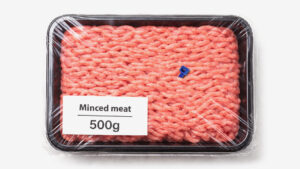
Detectable versus Non-Detectable
Why are detectable products relevant in production environments? On a production line, a broken pen or a lost plaster ca...

African Swine Fever (ASF): Reducing the Risk of Infection
The Human Factor Makes Farms Vulnerable – Hygiene and PPE Are Critical for Prevention African Swine Fever (ASF) contin...
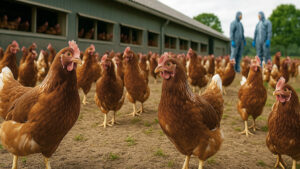
Avian Influenza H5N1: Risks, Prevention and PPE
Practical Hygiene and PPE Measures for Work Involving Poultry Avian influenza, including the H5N1 virus, is a recurring...

IFS Food: International Standard for Food Safety
IFS Food and the Requirement for Waterproof Plasters IFS Food is one of the most widely recognized food safety standards...

Nitrile gloves – food grade
High-quality disposable nitrile gloves Disposable blue nitrile gloves are nowadays the standard in the food industry, th...

Colour coding for food safety in the food industry
Prevent cross-contamination with clear colour zones Colour coding in the food industry is a simple principle with substa...
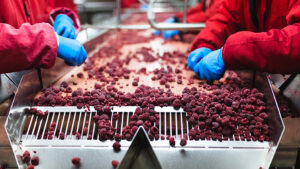
Why Blue Is Commonly Used in Food Production Environments
Visibility and Detectability of Blue Products in Food Processing In food production, colour is not a design choice. It s...

Safe Use of Disposables and PPE in the Cheese Industry
Essential Guidelines for Hygiene and Food Safety in Cheese Production Cheese production takes place in an environment wh...