Avian Influenza H5N1: Risks, Prevention and PPE
Practical Hygiene and PPE Measures for Work Involving Poultry
Avian influenza, including the H5N1 virus, is a recurring risk for wild birds and poultry. For professionals in the poultry sector and animal health response organisations, hygiene, biosecurity and the correct use of PPE are essential to help limit the spread of the virus.
How Avian Influenza Spreads
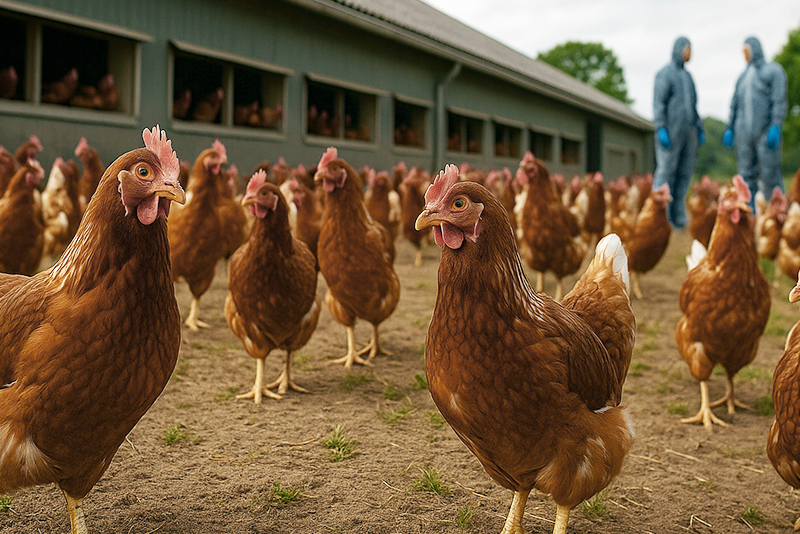
H5N1 can cause high mortality among wild birds, including waterfowl and migratory species. Transmission occurs through contaminated water, droppings and direct contact between animals. Outbreaks may lead to large-scale mortality among wild bird populations. The virus spreads rapidly via water and faeces, particularly at densely populated resting areas where birds gather in close proximity.
What to Do if You Find Dead or Sick Birds
If you encounter sick or dead birds, it is important to avoid direct contact. Do not touch carcasses and keep pets at a distance. Report the finding to the landowner, local authority or animal rescue service so the bird can be handled safely and hygienically, reducing the risk of further spread.
Monitoring and Official Guidelines
Avian influenza occurs periodically across Europe. Authorities such as the European Food Safety Authority (EFSA) and national agencies monitor infections and publish guidance on prevention and control.
For official updates and recommendations, consult the information pages of EFSA and the relevant national authorities. These sources provide measures and advice for professionals.
Impact on the Poultry Sector
A (suspected) outbreak of avian influenza can have significant consequences for poultry farms, including enhanced biosecurity measures, increased monitoring, transport restrictions and, in some cases, culling. For this reason, prevention through hygiene practices, visitor control policies and the use of personal protective equipment (PPE) is an essential part of day-to-day operations in the sector. The risk to humans is generally low, but it may increase in cases of intensive, unprotected contact with infected animals.
Cooperation and Protocols
Effective control of avian influenza requires close cooperation between authorities, industry organisations, land managers and animal health response organisations. Clear protocols for hygiene, reporting and safe handling enable swift and consistent action when infection is suspected or confirmed. Well-defined responsibilities and communication procedures further help to minimise delays and reduce the risk of secondary spread.
Biosecurity and Protective Measures
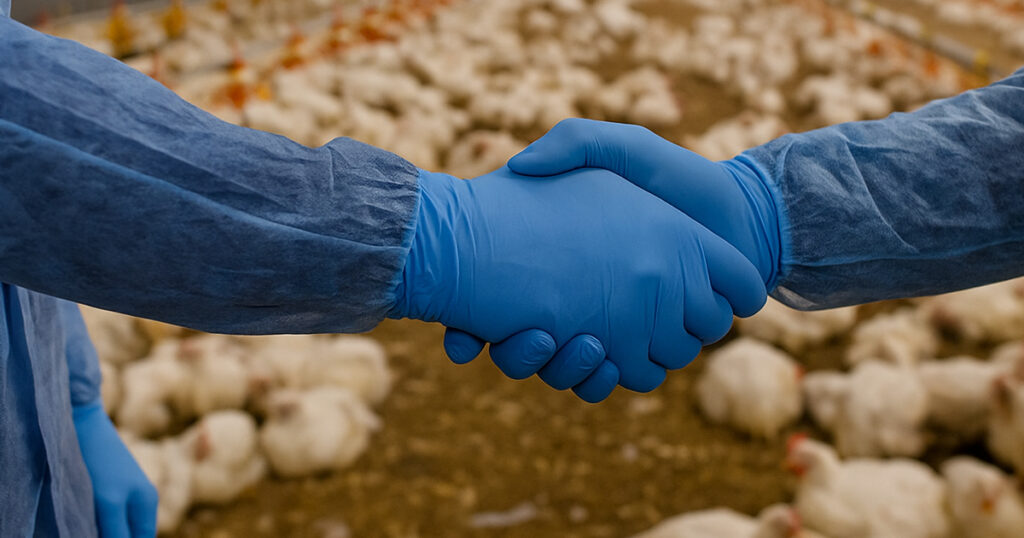
Preventing avian influenza begins with proper hygiene and protective measures. Avoid direct contact with wild or dead birds and ensure that poultry and waterfowl are adequately separated from wild animals. Regularly clean and disinfect footwear, vehicles and equipment that come into contact with animals or their environment.
During activities where there is potential contact with (possibly) infected animals, materials or environments, it is important to wear the appropriate personal protective equipment (PPE), such as:
- Body protection (disposable coveralls or liquid-repellent coveralls)
- Foot protection (rubber boots combined with overshoes)
- Hand protection (virus-resistant nitrile gloves)
- Respiratory protection (FFP2 or FFP3 respirator)
- Face protection
- Hair nets (single-use)
Proper PPE prevents contamination from being carried on clothing, skin or through respiratory exposure.
Popular PPE for Avian Influenza Prevention
Coordination and Biosecurity Guidelines
Authorities and industry bodies share surveillance data and publish biosecurity guidance on avian influenza. Hygiene protocols, visitor procedures and biosecurity measures are developed to help reduce the risk of disease introduction and spread within poultry operations.
Influenza Vaccination for Occupational Risk Groups
For professionals with intensive contact with (potentially) infected animals, additional medical guidance may apply, such as seasonal influenza vaccination. This can help reduce the risk of co-infection. Consult your national public health authority or occupational health provider for current recommendations.
Health Measures for Personnel
Organisations involved in culling, animal handling or the management of infected animals typically implement health monitoring procedures and provide clear safety instructions for employees.
If flu-like symptoms develop within ten days following potential exposure, individuals should seek medical advice and inform the healthcare professional about the possible contact with infected animals.
Working Together on Prevention
Avian influenza highlights the importance of hygiene, personal protective equipment (PPE) and close cooperation between government authorities, industry stakeholders and response organisations. With clear protocols, appropriate protective measures and effective monitoring, the risk of infection can be kept under control.
Cleaning and Disinfection Following Culling
In cases of (suspected or confirmed) infection, thorough cleaning and disinfection of housing units, equipment and animal facilities are essential to reduce the risk of recontamination. Safety Products supplies suitable PPE for these tasks, including chemical-resistant and waterproof protective clothing, safety boots and hand protection with high chemical resistance.
With certified personal protective equipment, cleaning and disinfection work can be carried out safely and hygienically, even when using powerful cleaning agents or disinfectants. Proper PPE also helps prevent cross-contamination between zones and reduces the risk of exposure to chemical agents during application.

Advice from a PPE Specialist
Do you have questions about approved products for prevention or their correct application? Contact one of our PPE and disposable product specialists for professional, no-obligation advice. Our specialists can advise you on suitable protective clothing and equipment for your specific operations.
Email us at info@safetyproducts.com or call +31 (0)314 757 300.
You might also like

EN 14404:2024 updated standard for knee protection
What does this mean in practice? In many professions, knee protection is essential, especially where prolonged kneeling...

New rules for allergen labelling from January 2026
Allergen warnings must be better substantiated From 1 January 2026, new rules for allergen labelling will come into forc...

Allergen Management in the Food Industry
Managing allergens in daily food production Allergens are a distinct risk within food safety. Unlike microbial risks, ev...

FSSC 22000 Certification
The globally recognised standard for food safety management FSSC 22000 (Food Safety System Certification) supports organ...
Detectable versus Non-Detectable
Why are detectable products relevant in production environments? On a production line, a broken pen or a lost plaster ca...

African Swine Fever (ASF): Reducing the Risk of Infection
The Human Factor Makes Farms Vulnerable – Hygiene and PPE Are Critical for Prevention African Swine Fever (ASF) contin...

ISO 22000: the standard for food safety
International food safety management from raw material to distribution ISO 22000 is a globally recognized standard for f...

IFS Food: International Standard for Food Safety
IFS Food and the Requirement for Waterproof Plasters IFS Food is one of the most widely recognized food safety standards...

Nitrile gloves – food grade
High-quality disposable nitrile gloves Disposable blue nitrile gloves are nowadays the standard in the food industry, th...

Colour coding for food safety in the food industry
Prevent cross-contamination with clear colour zones Colour coding in the food industry is a simple principle with substa...
Why Blue Is Commonly Used in Food Production Environments
Visibility and Detectability of Blue Products in Food Processing In food production, colour is not a design choice. It s...

Safe Use of Disposables and PPE in the Cheese Industry
Essential Guidelines for Hygiene and Food Safety in Cheese Production Cheese production takes place in an environment wh...