Complaints caused by safety footwear: causes and solutions
Recognise the signs early and find out what you can do to prevent problems
From painful feet to back problems: why fit, support and ergonomics are so important when choosing safety footwear. They protect against falling objects, sharp materials and slips, but a good fit and adequate support are equally important.
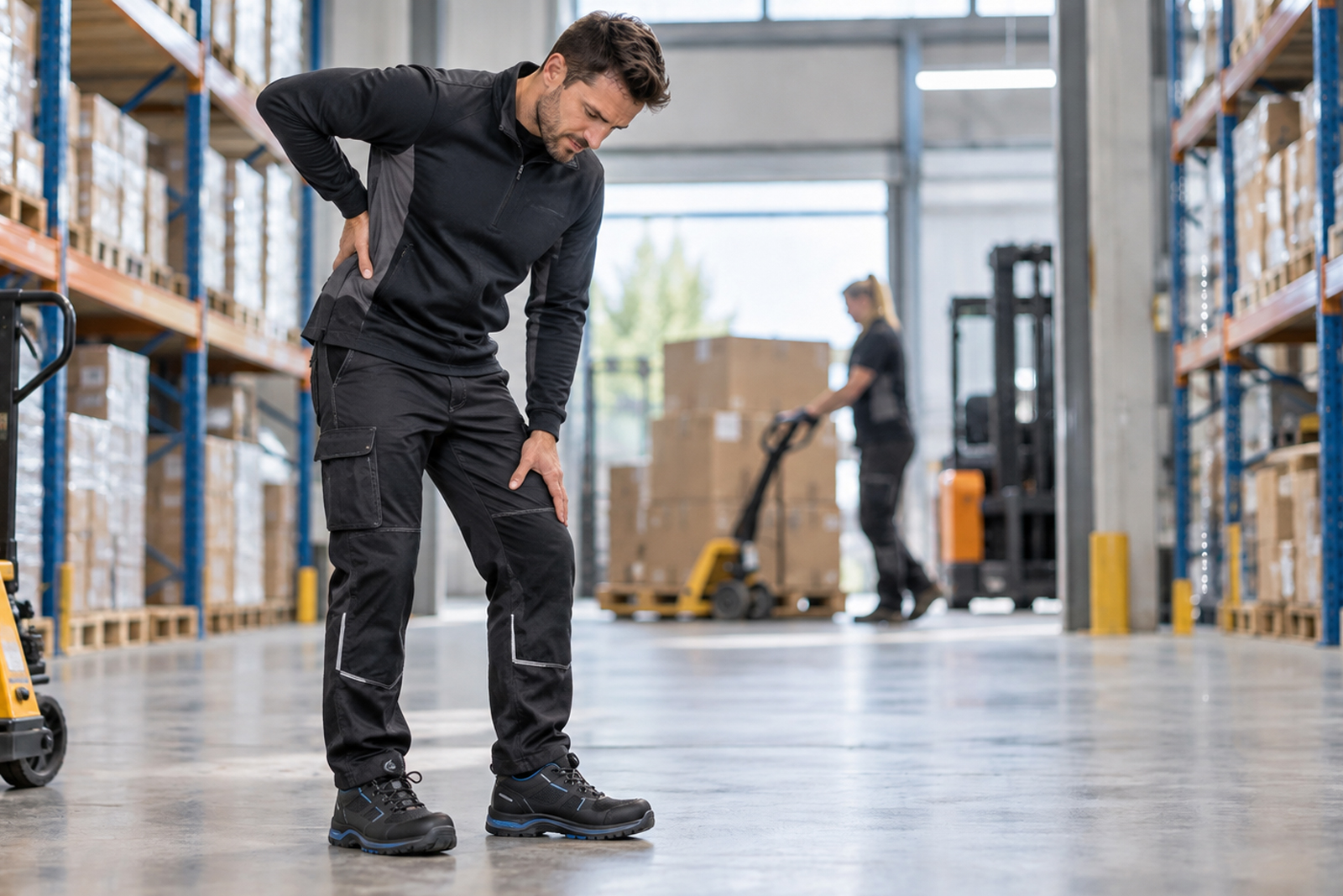
Why can unsuitable safety footwear cause problems?
Employees who walk a lot, stand for long periods or carry out physically demanding work every day place considerable strain on their feet and legs. What happens if their safety shoes or work boots do not fit properly or provide adequate support?
This can lead to physical problems that often develop gradually and go unnoticed at first. What starts as minor aches and pains can eventually lead to inflammation or wear and tear of the joints.
Unsuitable protective footwear can place extra strain on other parts of the body. If the feet lack support or sufficient space, other parts of the body have to compensate.
Common problems in practice include:
- Painful feet.
- Tired feet and legs.
- Pressure points, corns and blisters.
- Knee, hip and back problems.
- Overuse of muscles and tendons.
- Heel problems such as heel spurs or plantar fasciitis.
- Irritated or inflamed tendons, muscles or joints.
- Wear and tear of the joints.
The right safety footwear offers more than just protection
Good safety footwear obviously protects you, but it also helps reduce physical strain and, above all, should be comfortable to wear.
The feet support the rest of the body. If safety footwear does not provide adequate support or does not fit properly, it can subtly change the way someone walks or stands. This can place additional strain on muscles, tendons and joints.
Safety footwear should meet the relevant safety standards, but a good fit and adequate support are just as important. The footwear should also be comfortable to wear and suited to the work being carried out.
The choice of the right safety footwear depends on factors including:
- Risks and hazards present
- Type of work
- Surface
- Length of time spent walking or standing
- Shape and width of the foot
- Required support
- Correct safety class
Popular comfortable protective footwear
Common problems caused by unsuitable safety footwear
Not every employee experiences the same problems. The type and severity of the problems depend on the work, how long someone spends on their feet, the fit of the footwear and personal factors.
Below are some of the problems our customers ask us about. Sound familiar, or would you like to know which solution is right for your situation? Feel free to contact our PPE experts.
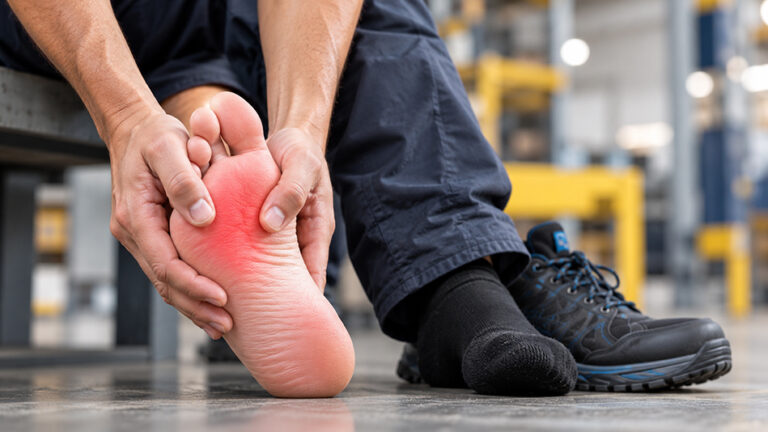
Painful feet
Painful feet are among the most common problems caused by wearing unsuitable safety footwear. This is often because the footwear is too narrow, too wide or too small, or does not provide adequate support for the foot.
An unsuitable last or incorrect width can also cause uneven pressure distribution when walking. Employees often notice this as a burning sensation, aching or tired feet at the end of the working day.
The right fit can help prevent painful feet. It is not just shoe size that determines which safety footwear is right for you, but also the width, last and shape of your feet. Having your feet measured properly can help you choose footwear that provides enough space and support while you work.
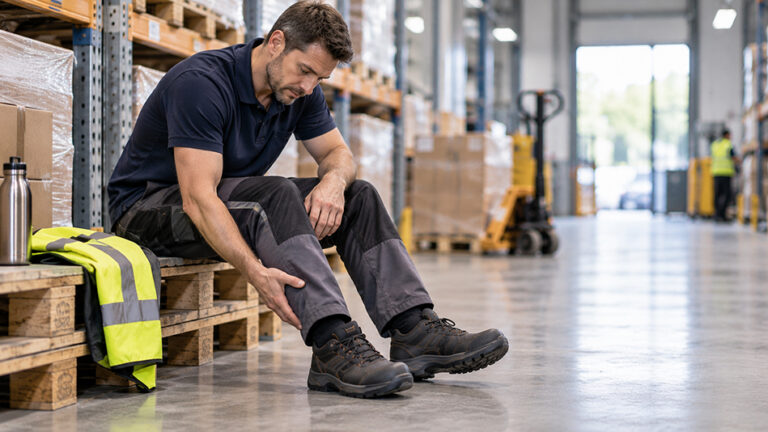
Tired feet and legs
Tired feet and legs are often caused by inadequate support, cushioning or stability when standing and walking for long periods. Particularly during long working days or jobs that involve a lot of walking, this strain can gradually build up throughout the day.
Employees often notice this as tired, heavy or aching feet and legs at the end of the working day. The right safety footwear helps distribute this strain more evenly. Consider not only the shoe size, but also the width, last, cushioning and support. Well-fitting safety footwear can make prolonged standing and walking noticeably more comfortable.
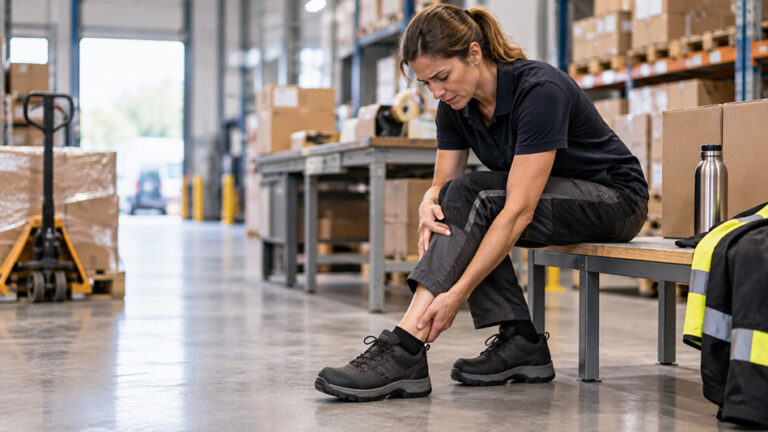
Overuse of muscles and tendons
If safety footwear does not fit properly or provide enough support, muscles and tendons have to work harder when walking. This can place greater strain particularly on the arch of the foot, the Achilles tendon and the muscles of the lower leg.
This overuse usually develops gradually, so employees may not recognise the problem straight away. The longer employees continue to wear the same footwear, the more the problems may increase.
Ergonomically well-fitting safety footwear and timely replacement of worn footwear help reduce the strain. Insoles can also provide relief, as can (semi-)orthopaedic modifications.
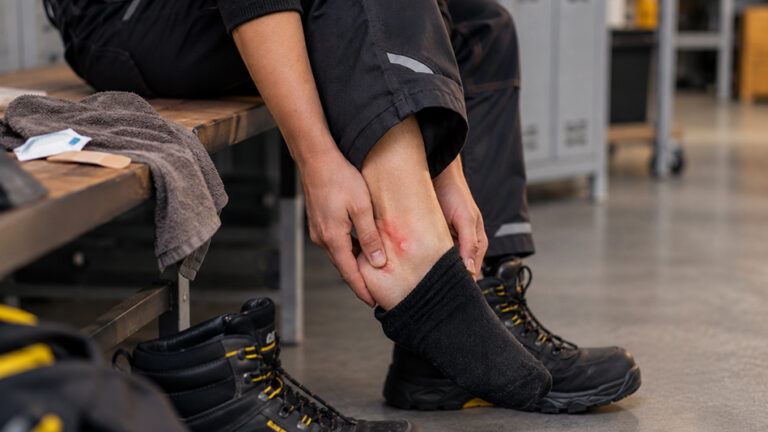
Pressure points and blisters
If the foot constantly moves inside the footwear or experiences too much pressure in certain areas, pressure points and blisters can develop. This can happen, for example, when the heel does not fit securely or there is insufficient room for the toes.
Particularly during prolonged walking, these areas of friction can quickly become painful. As a result, employees may find walking uncomfortable or may prefer not to wear the footwear at all.
A good fit with sufficient toe room and a secure heel reduces the risk of these problems.
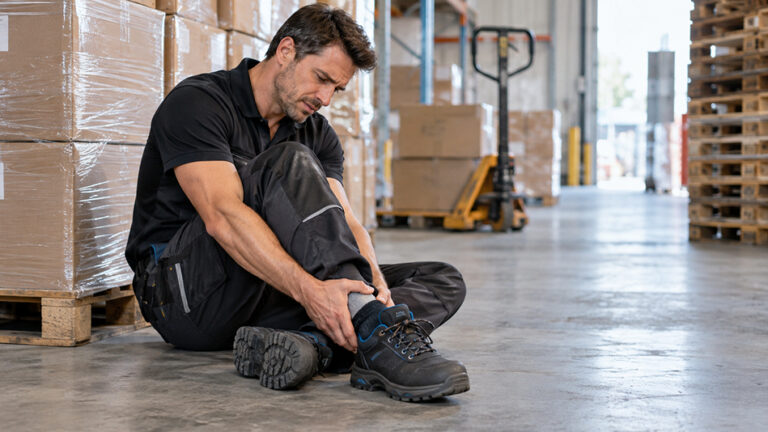
Ankle instability and sprains
Safety footwear that does not provide sufficient stability or does not fit properly around the heel and ankle can contribute to a less stable gait. This can increase the risk of spraining an ankle, particularly on uneven surfaces, during sideways movements or when a job involves a lot of walking.
Footwear that fits securely around the heel, provides enough support and suits the work and surface can improve stability.
Extra attention is important for employees who have previously sprained an ankle, as a previous ankle sprain increases the risk of further problems or recurrence. If an ankle continues to feel unstable or regularly ‘gives way’, changing safety footwear alone may not always be sufficient.
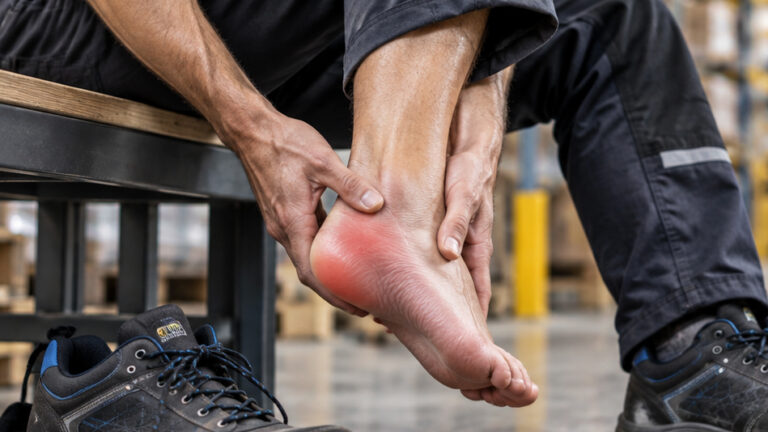
Heel spurs and heel problems
Prolonged standing and walking, combined with inadequate support or cushioning, can lead to heel problems. One well-known condition is plantar fasciitis, which is often associated with heel spurs.
Heel problems are often caused by a combination of prolonged strain, foot posture, body weight and the footwear being worn. Unsuitable safety footwear is therefore not always the direct cause, but it can contribute to or aggravate existing problems.
Safety footwear with adequate cushioning, good arch support and a proper fit can help reduce strain on the heel.
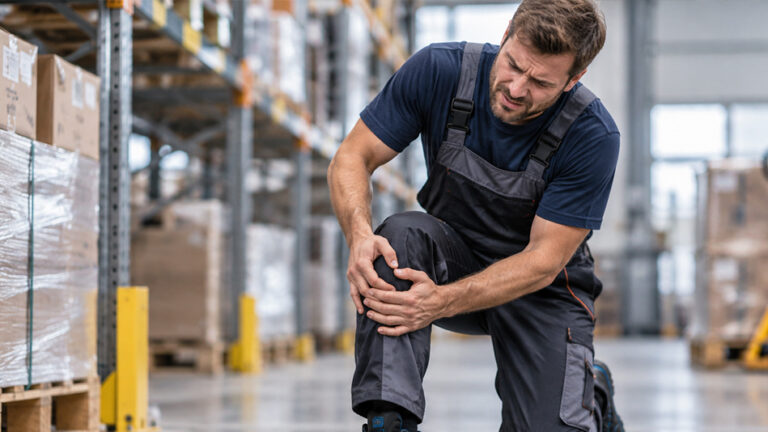
Knee problems
The position of the feet affects the strain placed on the knees. Safety footwear that does not provide adequate support or does not fit properly can alter the way this strain is distributed when walking.
Over time, this can contribute to knee problems, particularly among employees who walk long distances or stand for prolonged periods every day.
Even small problems with the fit can become noticeable over the course of a long working day. If the foot moves too far inwards or outwards inside the footwear, or is not supported with sufficient stability, the position and movement of the lower leg can also change. As a result, the knee may be subjected to slightly different stresses with every step.
Particularly when a job involves a lot of walking, turning, climbing stairs or working on hard surfaces, this repeated strain can gradually build up throughout the working day.
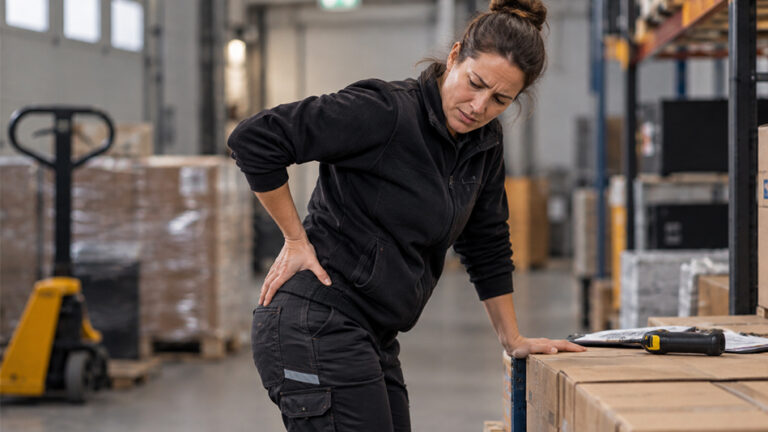
Hip problems
Inadequate support for the feet can also place additional strain on the hips. An altered gait can gradually shift the strain to the knees, hips and back. Although several factors can play a role, properly fitting footwear can contribute to a more natural posture.
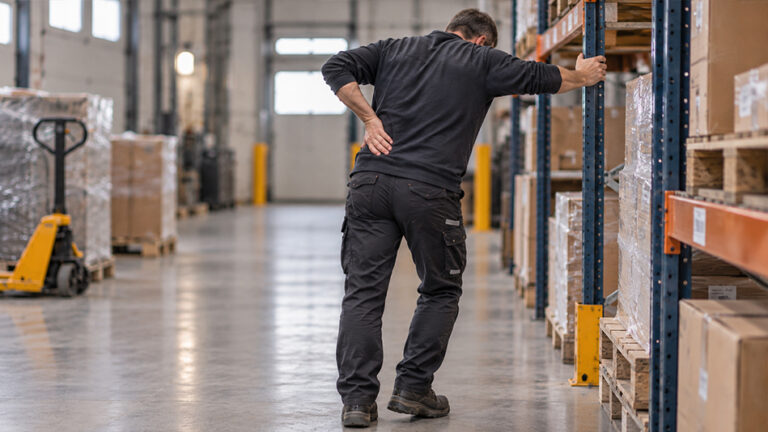
Back problems
Inadequate support for the feet can change the way someone walks or stands. This can place additional strain on the lower back and spine.
Over time, back problems can develop or existing problems can worsen. Good ergonomic support is therefore particularly important for employees who spend long periods standing or walking every day.
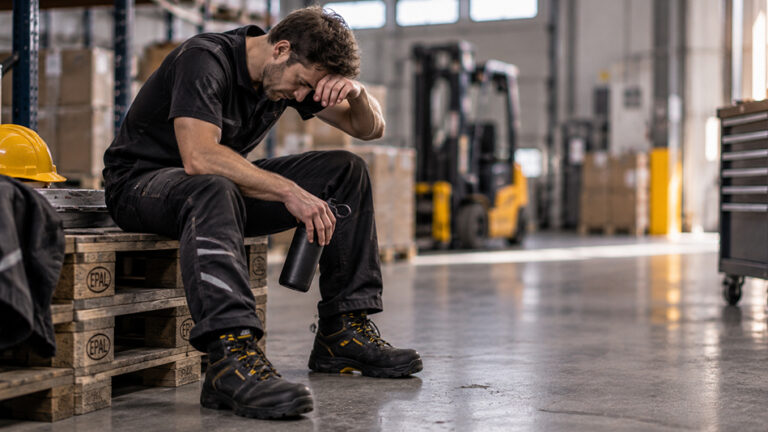
Faster physical fatigue
If safety footwear is not sufficiently suited to the work being carried out, movement often requires more energy. As a result, employees may become tired more quickly, particularly during long working days or jobs that involve a lot of walking.
Well-fitting safety footwear is often noticeably more comfortable to walk in and makes prolonged periods of work less physically demanding.
Employees who are less distracted by tired or painful feet can focus better on their work and maintain their pace more easily. This can also help reduce physical strain and sickness absence.
Reduced comfort
Safety footwear that pinches, rubs or does not provide adequate support is often less comfortable to wear. As a result, employees may be less inclined to wear their safety footwear throughout the entire working day.
Slipping or unstable walking
When the sole is worn or unsuitable for the surface, grip can be reduced. Poorly fitting footwear can also lead to a less stable gait.
It is therefore important that safety footwear meets the appropriate slip-resistance classification and is replaced in good time when the sole or tread becomes worn.
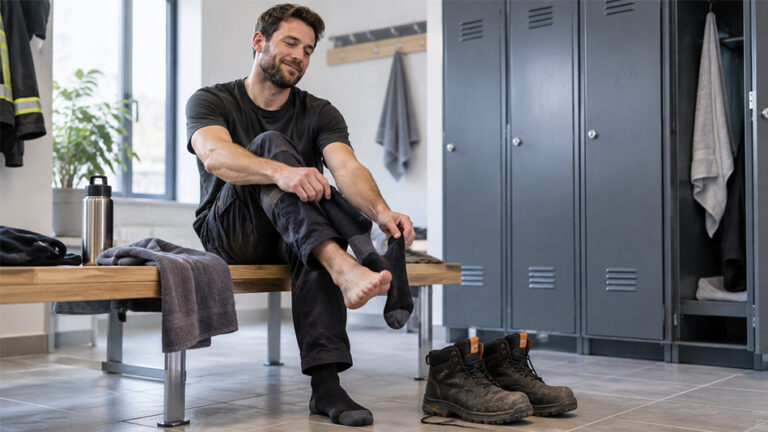
Sweaty feet and unpleasant odours
Safety footwear is often worn for long periods in hot, cold, wet or physically demanding working conditions. If the footwear does not provide adequate ventilation or wick away moisture effectively, this can lead to sweaty feet.
Wet or damp feet are not only less comfortable, but also increase the risk of blisters, skin irritation and fungal infections.
Choosing safety footwear made from breathable materials and with a moisture-wicking lining, combined with suitable work socks and a good fit, helps keep feet drier and more comfortable.
Antibacterial lining or treatment
An antibacterial lining or treatment can help reduce bacterial growth inside safety footwear and limit unpleasant odours. A lining is often designed to provide long-lasting protection, while a treatment is usually applied to the material as an additional protective layer. This can help keep the footwear fresher during long working days.
How can you prevent problems caused by safety footwear?
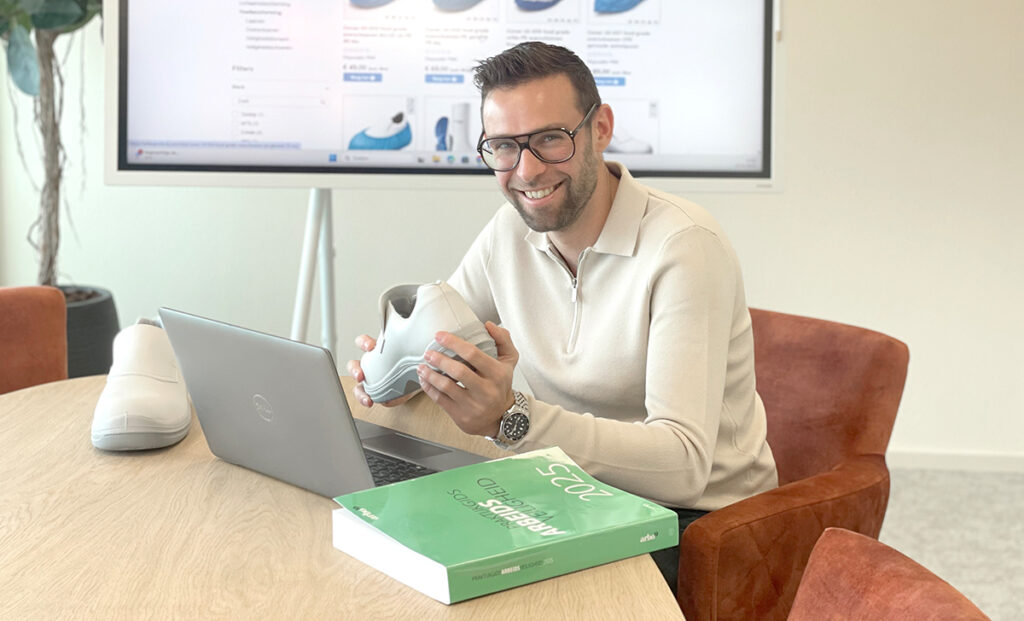
Martijn Koert is a PPE expert and Safety Professional (MVK) at Safety Products B.V.
Well-fitting safety footwear with adequate support can help reduce physical problems. When choosing safety footwear, consider factors such as:
- The correct shoe size and width
- A suitable last and sufficient room for the toes
- Safety footwear suited to the work and the surface
- Adequate support and cushioning for prolonged walking or standing
- Suitable insoles when additional support is needed
Also check the soles regularly and replace worn safety footwear in good time. Involve employees in the choice of safety footwear as well to improve comfort and acceptance.
Advice from a specialist
Would you like to know more about safety footwear or find out which protective footwear is best suited to your organisation? Our PPE specialists, such as Martijn Koert, will be happy to advise you.
Feel free to contact us at info@safetyproducts.com, call +31 (0)314 757 300 or complete the contact form on our contact page. We respond very quickly.
Look beyond just the safety class and purchase price
Physical problems often develop gradually, and you may not notice them until they become more serious. Discomfort, aches and physical problems can eventually lead to sickness absence.
That is why experts recommend choosing safety footwear based not only on safety class or purchase price. A good fit, ergonomic support, comfort and suitability for the work are equally important factors in helping to prevent physical problems and potentially long-term sickness absence.
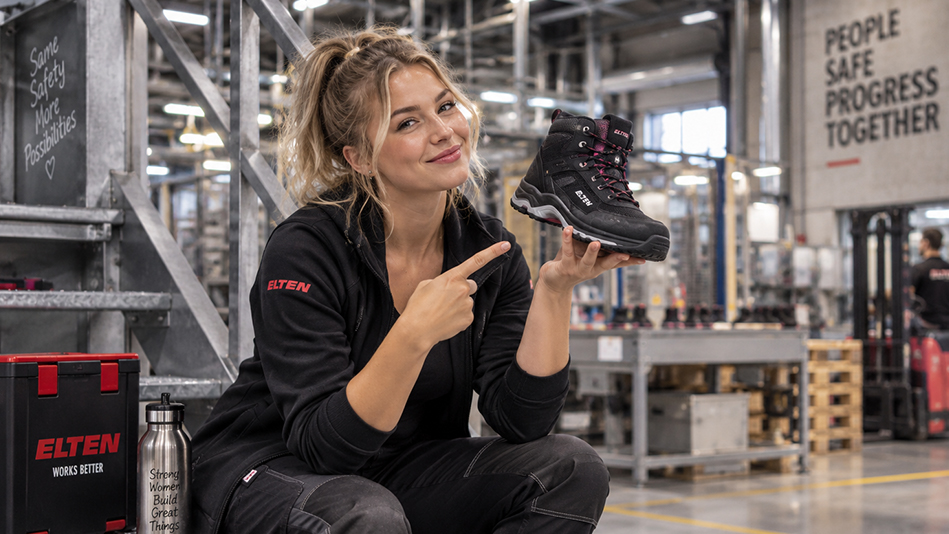
Safety footwear for women
Not all safety footwear fits everyone equally well. Many standard models are designed around a male or unisex foot shape. Women’s feet are generally shaped slightly differently from men’s.
Safety footwear designed specifically for women’s feet can provide a better fit, support and comfort. Various manufacturers therefore develop safety footwear specifically for female employees. Pressure points, movement of the foot inside the footwear and other fit-related discomfort can be reduced without compromising the required safety standards.
Popular safety footwear for women
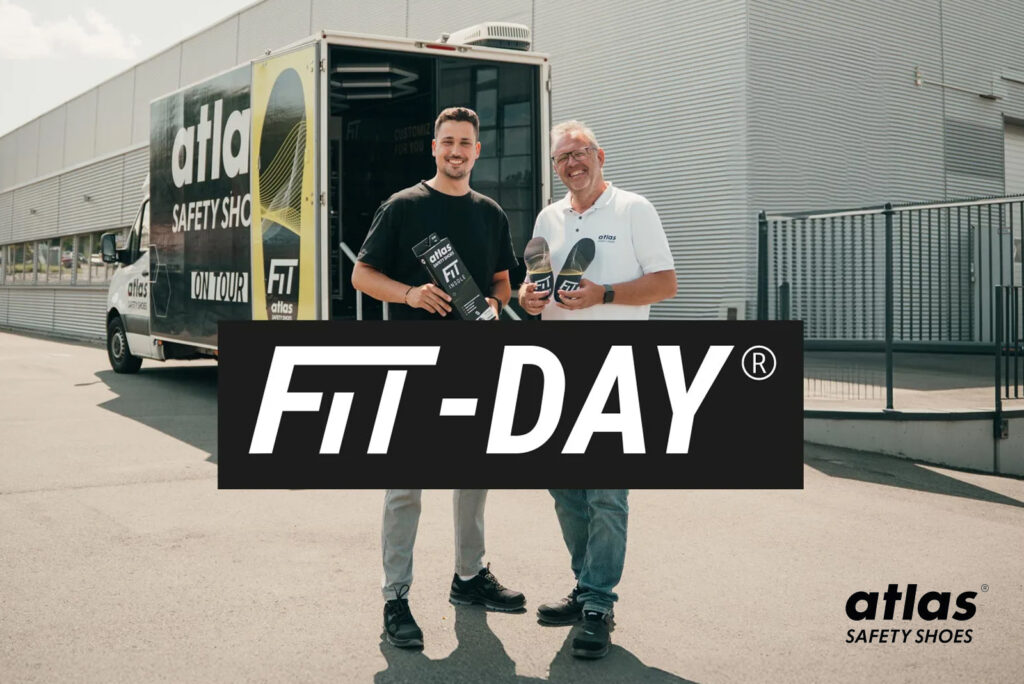
Safety footwear fitted at your location
For our on-site fitting service and footwear advice, we at Safety Products rely on the service and expertise of Atlas. With Atlas FIT-DAY, employees can have safety footwear professionally fitted at their workplace.
Would you like to find out what Atlas FIT-DAY could offer your organisation? Feel free to contact us. We can explain how the fitting service works and what it could mean for your team.
Questions about Atlas FIT-DAY?
Our specialists will be happy to advise you on the options. Call us 📞 +31 314 757300 or complete the contact form.
Additional solutions for foot problems
If problems persist or standard safety footwear does not provide sufficient support, suitable insoles, a different sole technology or (semi-)orthopaedic safety footwear may provide a solution. Below are some practical options.
Insoles
Not every foot requires the same level of support. Suitable insoles can improve pressure distribution, provide additional arch support and increase comfort. Only use insoles that are suitable for the relevant footwear model. This ensures that the protective properties of the safety footwear are maintained.
Sole technology
The sole of safety footwear also plays an important role. Some manufacturers use shock-absorbing or energy-returning sole technologies. These can help reduce the strain on the feet, knees and joints during prolonged walking or standing.
A good example is the Wellmaxx sole used in the ELTEN MADDOX range. This sole helps absorb shocks and returns some of the energy with every step.
(Semi-)orthopaedic safety footwear
For employees with persistent foot problems, an abnormal foot position or specific support requirements, an orthopaedic modification may be necessary. This could include individually fitted insoles, sole modifications or safety footwear specially adapted to the wearer’s feet.
However, not all safety footwear can simply be modified. A different insole or structural modification can affect factors such as fit, antistatic properties, ESD performance and protection provided by the safety toe cap. Always discuss this with a PPE expert or the supplier of the relevant footwear.
Innovations in modern safety footwear
Manufacturers are using new materials and technologies to make safety footwear more comfortable and supportive without compromising protection.
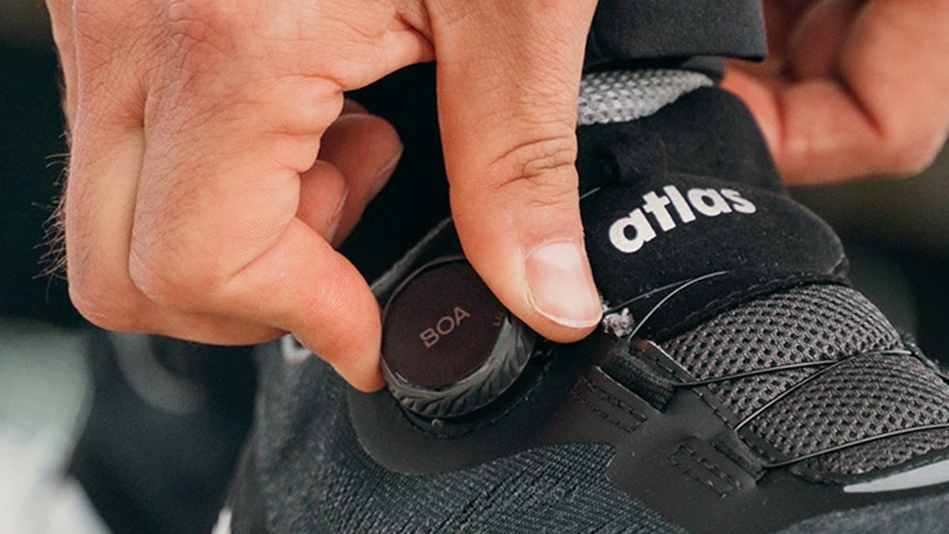
User-friendly BOA Fit System
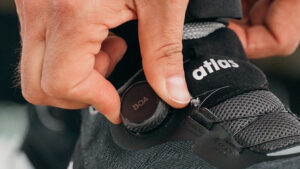
The BOA® Fit System is becoming increasingly common in safety footwear. Instead of traditional laces, wearers can adjust the fit using a dial. But what exactly is it, how does the system work and what benefits does it offer?
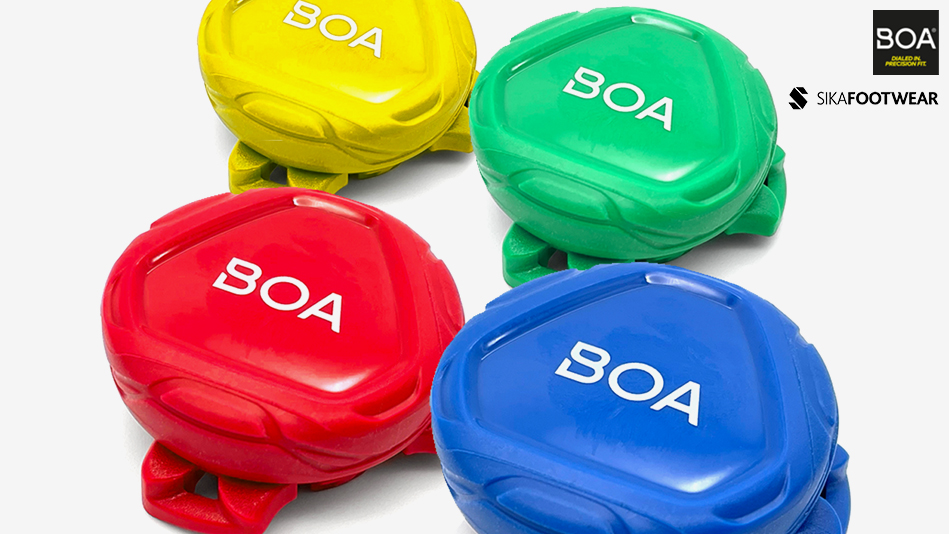
Sika Colored BOA Fit System
Sika Footwear has developed a replaceable BOA system in four colours: the Colored BOA Fit System. Wearers can fit the system themselves. Using colour coding and zone separation is an effective way to help prevent cross-contamination.
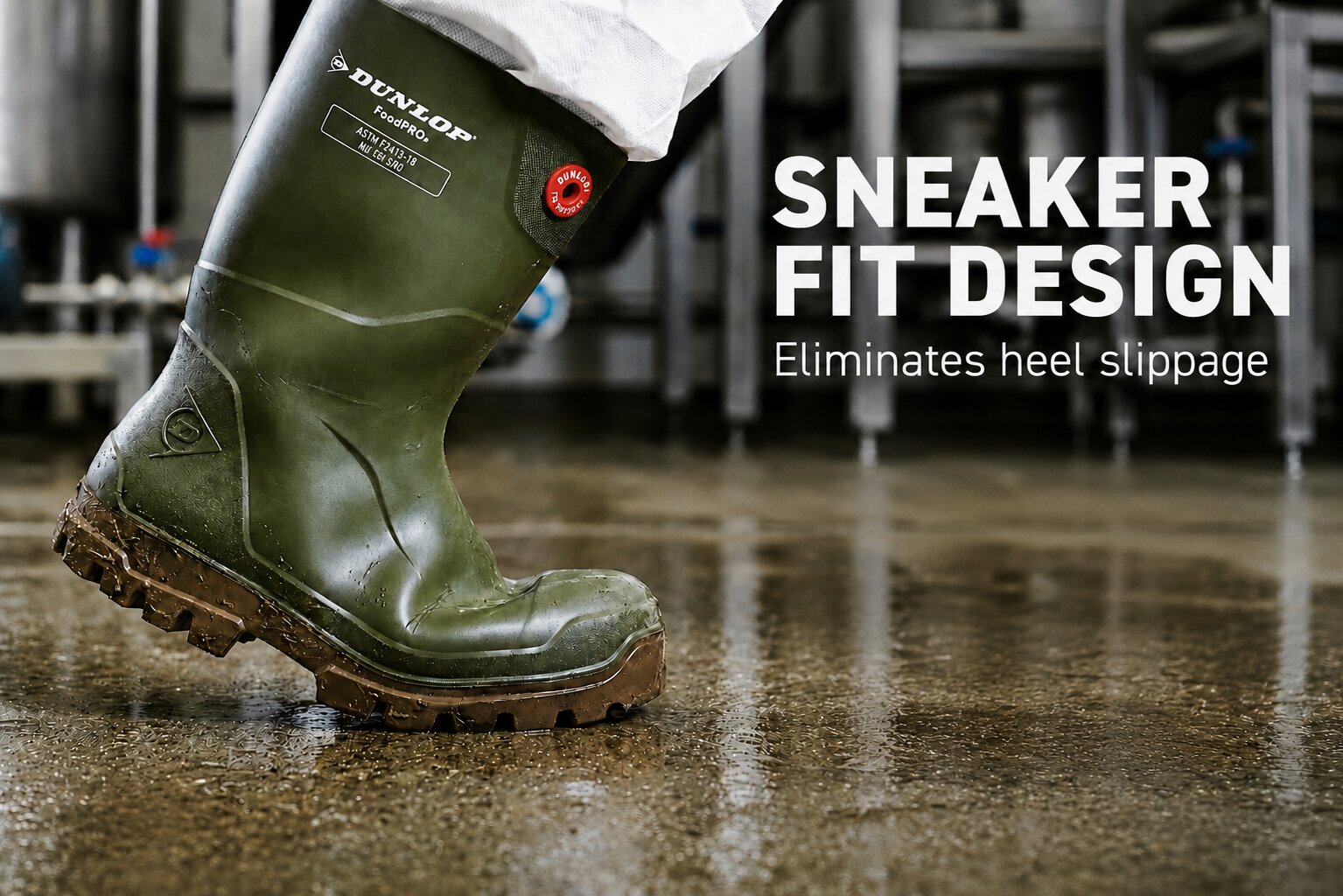
Sneaker Fit Design: a new generation of safety boots
Sneaker Fit ensures that the boot fits more closely around the heel and midfoot. This helps keep the foot securely in place while walking, providing a closer fit similar to that of a modern safety shoe.
Traditional work boots are known for their protection, but not always for their fit. Many wearers will recognise the feeling of a loose-fitting heel, excessive movement inside the boot or tired feet after a long working day.
Protective footwear from all leading brands
Safety Products offers safety footwear from leading brands, with different fits and levels of support for various types of work. Many of these products are available directly from stock for fast delivery.











Can unsuitable safety footwear cause physical problems?
Yes. Poorly fitting safety footwear or footwear that does not provide adequate support can contribute to problems such as painful feet, blisters, fatigue, and knee, hip or back problems. That is why it is important to consider not only the safety class, but also the fit, ergonomics and type of work when choosing safety footwear.
How do I know if my safety footwear fits properly?
Safety footwear should provide enough room for the toes, fit securely around the heel and not pinch or cause pressure points anywhere. The correct width, last and support are also important. As the fit can vary between brands and models, trying on the footwear properly or having it professionally fitted is recommended.
Can I use insoles in safety footwear?
Yes, but not every insole is suitable for every safety shoe. Only use insoles that are suitable for the relevant footwear model or seek advice from a specialist. The protective properties of the safety footwear must not be compromised.
When should safety footwear be replaced?
Replace safety footwear when the sole is worn, the footwear is damaged, or comfort and support begin to deteriorate. If physical problems persist, it is also advisable to reassess the footwear. Always follow the manufacturer’s care and replacement recommendations.
Is the correct safety class enough to prevent physical problems?
No. The safety class determines the level of protection against workplace hazards, but says nothing about fit or ergonomics. The correct size, width, support and suitability for the work are also important for improving comfort and helping to prevent physical problems.
Can I have safety footwear professionally fitted?
Yes. Safety footwear can be professionally fitted. This involves looking not only at shoe size, but also at foot width, the last, support and, where necessary, suitable insoles. This allows the safety footwear to be better matched to the wearer and the work being carried out.
How does a safety footwear fitting service work?
During a fitting service, a specialist measures your feet to determine which safety footwear best matches the shape of your feet, the work being carried out and the support required. Based on these measurements, you will receive suitable footwear advice. This helps you choose footwear that fits properly and provides enough support.
Why is professional fitting of safety footwear important?
Every foot is different. That is why shoe size is not the only important factor: foot width, the last and the support required also matter. Having safety footwear professionally fitted helps ensure a better fit for the wearer. This can improve comfort and help prevent physical problems caused by an incorrect fit.
You might also like
Elka Pro: water- and chemical-resistant protective clothing for professional cleaning
PU-coated waterproof clothing for professional cleaning Protective clothing is put to the test during professional clean...
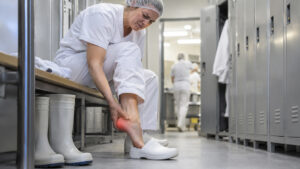
Heel Spur and Heel Pain: The Role of Elten Wellmaxx
The impact of cushioning and support during prolonged standing and walking Those who spend a lot of time standing and wa...
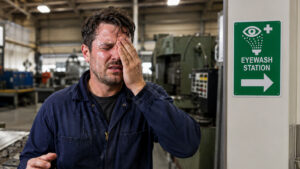
Detectaplast Eye Wash for Rapid First Aid in Workplace Incidents
From eye wash bottles and single-dose units to complete Eye Wash Stations for a range of eye hazards A speck of dust, sp...

Safety Products | Select Partner of Christeyns Food Hygiene
Professional Cleaning and Disinfection. One Complete Solution. One Partner. As a Select Partner of Christeyns Food Hygie...
PIP and Safety Products: A Partnership That Goes Beyond Products
Close collaboration, specialist expertise and support for complex PPE challenges Personal protective equipment is becomi...
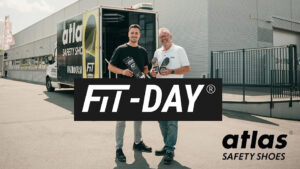
Atlas FIT-DAY: Safety Footwear Starts with the Right Fit
A safety shoe only protects properly when it fits correctly For our on-site fitting service and safety footwear advice,...
The Benefits of Martor Safety Knives
From Automatic Blade Retraction and ergonomic design to metal-detectable safety solutions Safe cutting may seem straight...
Heat stress at work: risks and solutions
Staying safe while working in extreme heat and high temperatures During hot summer days, temperatures can rise quickly i...
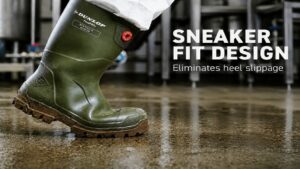
Dunlop SneakerFit: A New Generation of Safety Boots
How the fit of a safety boot affects comfort, stability and safety Traditional safety boots are known for their protecti...

Listeria in the food industry
Food-safe cleaning with rapid testing and ATP monitoring Listeria monocytogenes remains a difficult risk to control with...
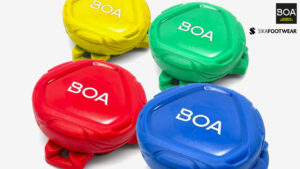
Sika Colored BOA Fit System: Colour-Coded and Replaceable
Colour-coded and modular BOA closures for Sika safety footwear In the food industry, visual identification is often an i...
BOA Fit System: the smart innovation behind modern Safety Footwear
A smart combination of comfort, safety and convenience for every working day The BOA closure has firmly established itse...