Heat stress at work: risks and solutions
Staying safe while working in extreme heat and high temperatures
During hot summer days, temperatures can rise quickly in many workplaces. This applies not only to outdoor environments, but also to indoor locations such as production halls, warehouses, bakeries and technical rooms. Heat stress can lead to fatigue, reduced concentration and health problems.
Preventing heat stress requires a combination of measures, including:
- Ventilation
- Access to sufficient drinking water
- Adjusted working hours
- Personal protective equipment, such as cooling vests
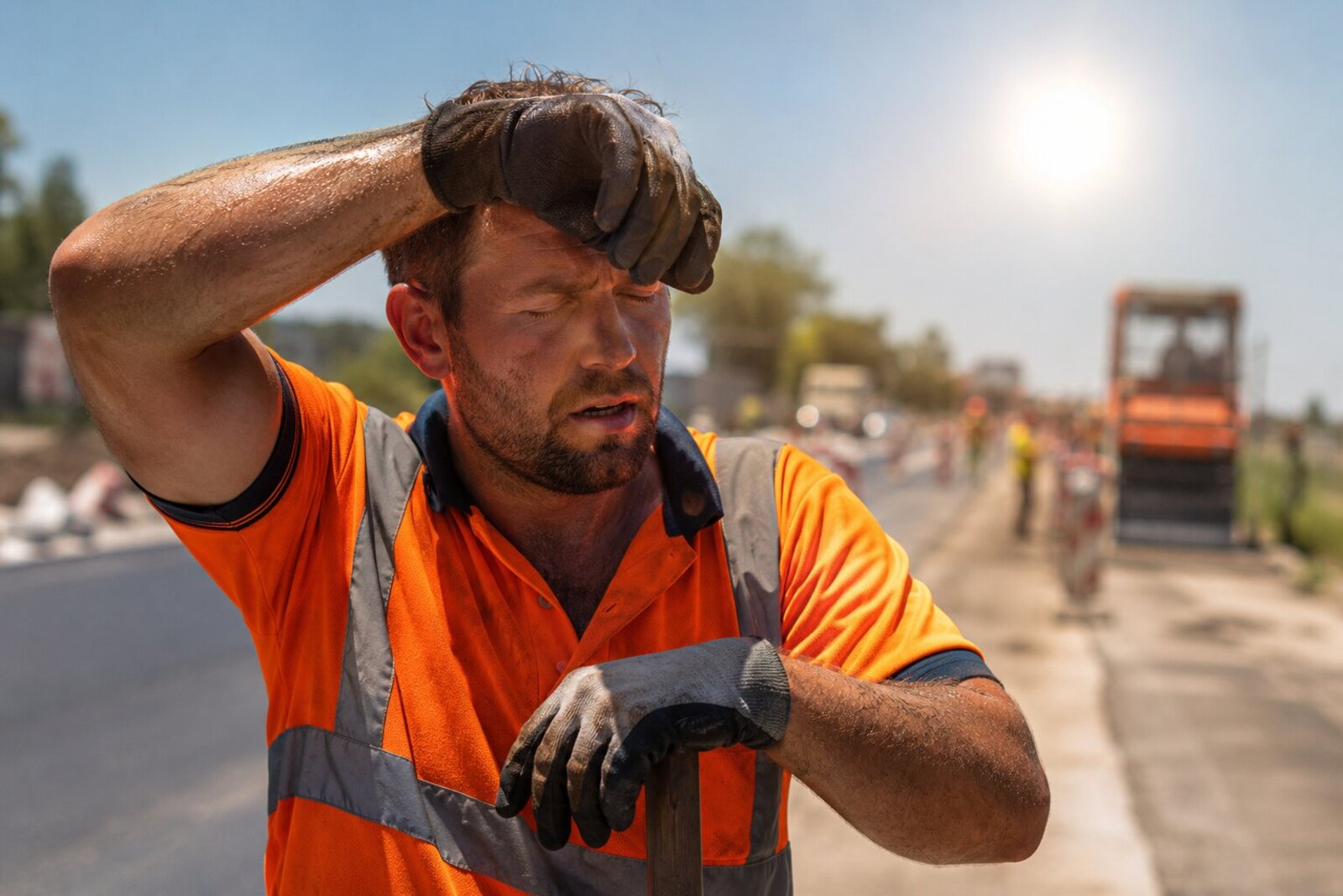
What is heat stress?
Heat stress is the total heat load to which a worker is exposed. It is influenced not only by the ambient temperature, but also by:
- Solar radiation
- Humidity
- Wind
- Physical exertion
- Protective clothing
- Heat-generating machinery
Heat stress occurs when the body absorbs or generates more heat than it can effectively dissipate. Environmental conditions, physical exertion and clothing all influence the body’s ability to regulate its temperature. To cool itself, the body increases perspiration and redirects blood flow towards the skin. When these mechanisms are no longer sufficient, heat-related symptoms and health problems may develop.
Popular Cooling Clothing
Causes of heat stress
Heat stress does not only occur when working in direct sunlight. Temperatures can also rise significantly indoors, for example in production areas, bakeries, industrial kitchens, technical facilities, metalworking plants and warehouses with metal sheet roofing.
Workers who are not yet accustomed to hot working conditions are more susceptible to heat stress. For this reason, new employees and workers returning from holiday or illness may require additional attention during periods of hot weather.
When working outdoors, heat is not the only concern. Prolonged exposure to sunlight and UV radiation can also present risks. Safety glasses with UV protection help protect the eyes against harmful UV radiation and bright sunlight during outdoor work.
In addition, personal protective equipment (PPE) can affect the body’s ability to regulate temperature. Protective clothing, aprons, chemical suits and other enclosed PPE may restrict the natural dissipation of body heat, causing the body to overheat more quickly.
Industries and sectors where heat stress is common
Heat stress can occur in almost any industry, but it is particularly common in jobs carried out in hot working environments. The risk increases further when work involves heavy physical exertion or the use of protective clothing. Examples include:
- Construction and infrastructure
- Industry and manufacturing
- Logistics and transport
- Agriculture and horticulture
- Public services
- Emergency services and defence
- Healthcare and service industries
- Energy and engineering
The risk of heat stress is particularly high during physically demanding work in hot conditions. This is especially true when employees wear protective clothing or work in direct sunlight. As a result, many organisations implement additional measures to reduce heat exposure and protect their workforce.
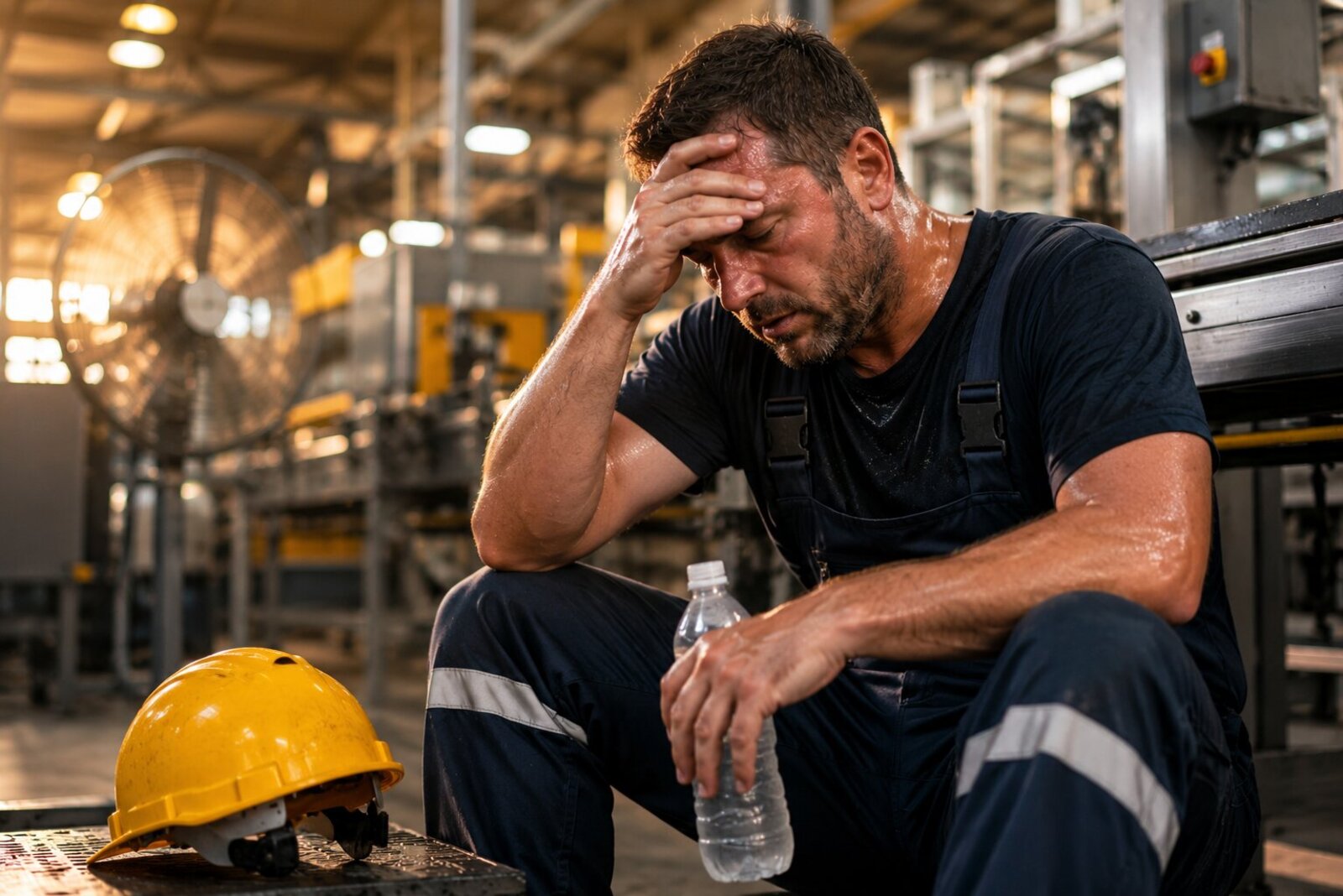
Signs and risks of heat stress
Heat-related symptoms are often dismissed as “just a hot day” or simple fatigue, even though they can be early warning signs of overheating. Common symptoms include:
- Thirst
- Excessive sweating
- Fatigue
- Headaches
- Dizziness
- Reduced concentration
- Nausea
- Muscle cramps
- Reduced alertness
The consequences extend beyond physical discomfort. Workers who become overheated are more likely to make mistakes, react more slowly and face a higher risk of workplace accidents. This is particularly relevant when working with machinery, vehicles, knives or other hazardous equipment.
During prolonged periods of heat or extended heat exposure, symptoms can become more severe. In serious cases, heat stress may lead to heat exhaustion, heat cramps, dehydration, fainting or even heat stroke. People with pre-existing cardiovascular conditions may also be more vulnerable.
Solutions: prevention and cooling
Many organisations combine multiple measures to reduce heat exposure in the workplace. Examples include:
- Providing additional opportunities to drink water
- Introducing rest breaks and work-rest schedules
- Improving ventilation, air circulation and extraction systems
- Adjusting working hours
- Reducing physically demanding tasks
- Shielding or insulating heat sources
- Providing shaded areas
- Creating cooled rest areas
- Using cooling PPE, such as cooling vests
Common measures for reducing heat exposure include implementing a heat management plan, adjusting working hours, improving ventilation, providing suitable workwear and ensuring access to drinking water.
Cooling vests as a solution for heat exposure
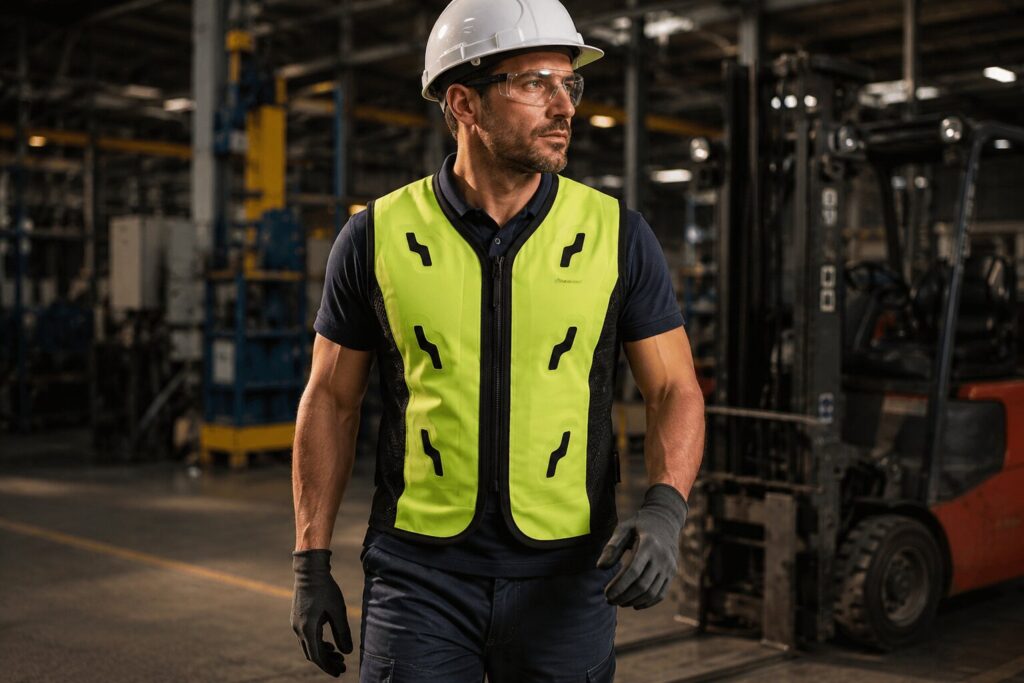
In some situations, it is simply not possible to reduce workplace temperatures sufficiently. Examples include outdoor work, production facilities, logistics operations and tasks that require the use of protective clothing. In these circumstances, cooling vests can help reduce heat stress.
A cooling vest helps the body dissipate heat, reducing the rate at which body temperature rises. This allows workers to remain comfortable for longer periods in hot conditions. Cooling vests can be particularly beneficial when protective clothing is mandatory or when workplace temperatures are difficult to control.
Cooling vests are widely used in sectors such as logistics, manufacturing, construction, food production, dairy processing, the pharmaceutical industry and technical services.
How does a cooling vest work?
Several cooling technologies are available for cooling vests. The most suitable solution depends on the working environment and the type of work involved. The most common systems include:
- Phase Change Material (PCM)
These cooling vests contain special cooling packs that maintain a constant temperature for an extended period. This provides a controlled cooling effect without exposing the body to extreme cold. - Evaporative Cooling
With evaporative cooling, water is absorbed into the vest. As the moisture evaporates, it creates a cooling effect. This type of cooling vest is commonly used in hot and dry working conditions. - Active Cooling Systems
For specific industrial applications, active cooling vests are also available. These systems use circulating air or liquid cooling technology to help regulate body temperature.
The most suitable cooling system depends on the working environment, the duration of the task and any other PPE being worn.
Employer responsibilities
Employers are responsible for providing a safe and healthy working environment. When workers are exposed to excessive heat, it is important to implement appropriate measures, such as:
- A heat management plan or heat stress policy
- Adjusted working hours
- Additional rest breaks
- Access to sufficient drinking water
- Ventilation or cooling systems
- Suitable workwear
- The use of cooling PPE, such as cooling vests
- Training and information on heat-related risks, symptoms and preventive measures
The most appropriate measures will depend on the industry, the nature of the work and the specific working environment. Occupational health and safety guidance generally recommends a combination of organisational, technical and personal protective measures to reduce heat exposure.
These measures are important not only for preventing heat-related health problems. Excessive heat can also reduce productivity, slow reaction times and increase the risk of mistakes and workplace incidents.
What are the legal considerations for working in hot conditions?
There is no universally recognised maximum workplace temperature. However, employers generally have a duty to provide a safe and healthy working environment and to take reasonable steps to protect workers from heat-related risks.
Employers should assess heat-related risks and take appropriate measures where necessary. This includes evaluating not only the temperature, but also factors such as humidity, solar radiation, air movement, physical exertion and the use of protective clothing.
The level of heat stress experienced by workers is determined by a combination of these factors. For this reason, occupational health and safety experts recommend assessing heat exposure as a whole rather than relying solely on air temperature.
Advice from a specialist
Would you like to learn more about heat stress, heat exposure or the use of cooling vests within your organisation? Our PPE specialists are happy to help you find the most suitable solution for your working environment.
Feel free to contact us at info@safetyproducts.com, call +31 (0)314 757 300 or complete the contact form on our contact page. Our team will be happy to assist you.
What is heat stress?
Heat stress occurs when the body absorbs or generates more heat than it can dissipate. As a result, body temperature rises and the body has to work harder to cool itself down. Overheating is not caused solely by high outdoor temperatures. Factors such as humidity, solar radiation, wind, physical exertion, protective clothing and workplace heat sources can also contribute to heat stress.
What are the symptoms of heat stress?
The early signs of heat stress are not always recognised immediately. Common symptoms include thirst, excessive sweating, fatigue, headaches, dizziness, reduced concentration, nausea and muscle cramps.
As body temperature continues to rise, more serious health problems may occur, including heat exhaustion, heat cramps, fainting and heat stroke. Heat stress can also increase the risk of mistakes, reduced alertness and workplace accidents.
What should employers do to prevent heat stress?
Employers have a responsibility to provide a safe and healthy working environment and should take appropriate measures when workers are exposed to excessive heat.
Depending on the circumstances, these measures may include adjusted working hours, additional rest breaks, access to drinking water, improved ventilation, shaded areas, cooled rest facilities or cooling personal protective equipment such as cooling vests. Heat-related risks should also be assessed as part of an organisation’s overall workplace risk management programme.
You might also like
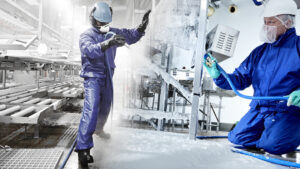
Elka Pro: water- and chemical-resistant protective clothing for professional cleaning
PU-coated waterproof clothing for professional cleaning Protective clothing is put to the test during professional clean...

Complaints caused by safety footwear: causes and solutions
Recognise the signs early and find out what you can do to prevent problems From painful feet to back problems: why fit,...
Heel Spur and Heel Pain: The Role of Elten Wellmaxx
The impact of cushioning and support during prolonged standing and walking Those who spend a lot of time standing and wa...
Detectaplast Eye Wash for Rapid First Aid in Workplace Incidents
From eye wash bottles and single-dose units to complete Eye Wash Stations for a range of eye hazards A speck of dust, sp...

Safety Products | Select Partner of Christeyns Food Hygiene
Professional Cleaning and Disinfection. One Complete Solution. One Partner. As a Select Partner of Christeyns Food Hygie...

PIP and Safety Products: A Partnership That Goes Beyond Products
Close collaboration, specialist expertise and support for complex PPE challenges Personal protective equipment is becomi...
Atlas FIT-DAY: Safety Footwear Starts with the Right Fit
A safety shoe only protects properly when it fits correctly For our on-site fitting service and safety footwear advice,...

The Benefits of Martor Safety Knives
From Automatic Blade Retraction and ergonomic design to metal-detectable safety solutions Safe cutting may seem straight...
Dunlop SneakerFit: A New Generation of Safety Boots
How the fit of a safety boot affects comfort, stability and safety Traditional safety boots are known for their protecti...

Listeria in the food industry
Food-safe cleaning with rapid testing and ATP monitoring Listeria monocytogenes remains a difficult risk to control with...
Sika Colored BOA Fit System: Colour-Coded and Replaceable
Colour-coded and modular BOA closures for Sika safety footwear In the food industry, visual identification is often an i...

BOA Fit System: the smart innovation behind modern Safety Footwear
A smart combination of comfort, safety and convenience for every working day The BOA closure has firmly established itse...