Listeria in the food industry
Food-safe cleaning with rapid testing and ATP monitoring
Listeria monocytogenes remains a difficult risk to control within the food industry. The bacterium is particularly persistent in damp production environments, chilled areas and zones where food products are processed without packaging. On paper, controlling Listeria often appears straightforward.
In these environments, cleaning products, hygiene solutions and disposable PPE frequently play a greater role than may initially be apparent. This is especially true at facilities where cross-contamination via personnel, transport equipment and production materials must be prevented.

What Is Listeria?
Listeria monocytogenes is a bacterium that can cause foodborne infections. Unlike many other bacteria, Listeria is able to grow at low temperatures. This is one of the main reasons why it remains a significant concern in chilled production and storage environments.
Listeria is most commonly associated with sectors where chilled and unpackaged food products are handled, such as the meat and fish industries, dairy production and ready-to-eat foods. Examples include sliced cooked meats, smoked fish, raw milk cheeses and chilled convenience products. Listeria is also regularly detected in fresh produce environments, particularly in fruit and vegetable processing facilities and other wet processing sites.
Ready-to-eat foods require particular attention because they are often consumed without further cooking or reheating. As a result, any Listeria contamination may reach the consumer directly.
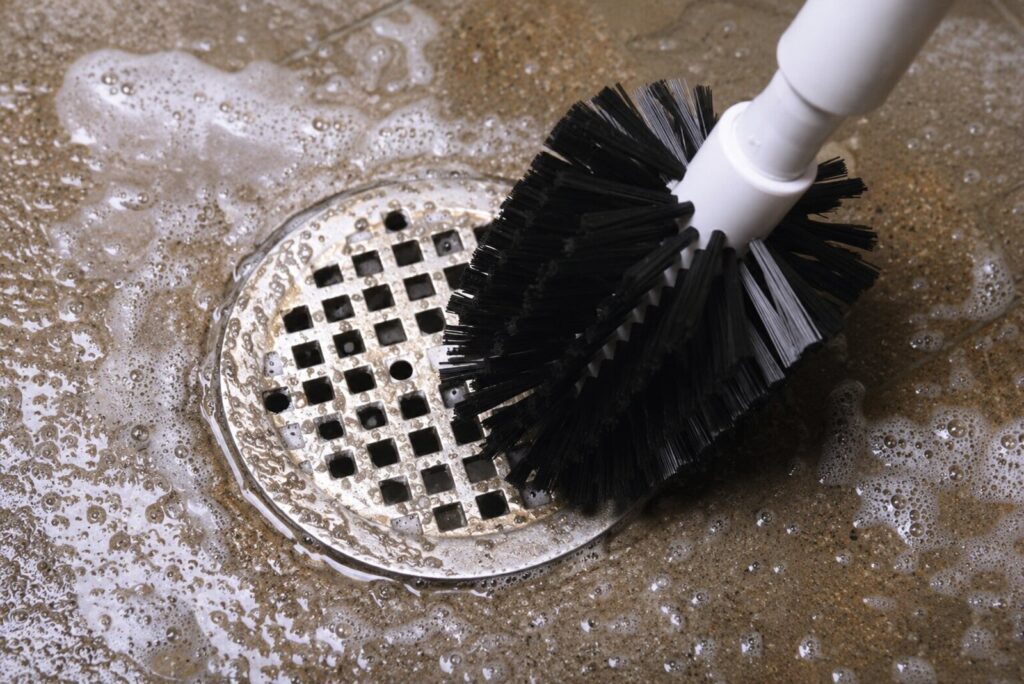
Wet environments with condensation, standing water or difficult-to-clean machine components are especially vulnerable. Typical risk areas include drains, conveyor systems, rubber seals, joints and floor-to-wall connections. These locations are more prone to biofilm formation. Once Listeria becomes established within a biofilm, complete removal becomes considerably more challenging.
A Listeria infection can be particularly dangerous for pregnant women, unborn babies, older adults and people with weakened immune systems. Healthy adults usually do not become seriously ill, but the consequences can be far more severe for vulnerable groups.
Common products used for cleaning, disinfection and monitoring
Cleaning and disinfection: where things often go wrong
During audits, cleaning and disinfection are often treated as a single process, even though they are technically two separate steps. Cleaning focuses on removing organic contamination such as fats, proteins and product residues. Only then can a disinfectant work effectively. This is where residues are often left behind, particularly on production lines that need to be restarted quickly.
In some cases, a disinfectant is applied to a surface that has not been cleaned sufficiently. Bacterial levels may temporarily decrease, but the underlying contamination remains. These areas often reappear later in ATP test results or environmental swab samples.
Moisture also plays a major role in Listeria control. Areas that do not dry properly remain high-risk locations, even when cleaning is carried out daily. In most cases, the issue is not a specific cleaning or disinfecting product, but rather correct application, sufficient contact time and effective coverage of high-risk areas.
Common causes of Listeria contamination
Listeria issues are rarely caused by a single identifiable factor. In most cases, they result from a combination of conditions that repeatedly go unnoticed. Examples include production lines that are difficult to dry completely, standing water within equipment, or components that are hard to access during cleaning procedures.
Transitions between high-care and low-care areas also remain particularly vulnerable. This is especially true when personnel, pallets or transport equipment move between different zones. Such situations increase the risk of cross-contamination, particularly when cleaning and disinfection procedures are not properly aligned.
The role of rapid testing in Listeria control
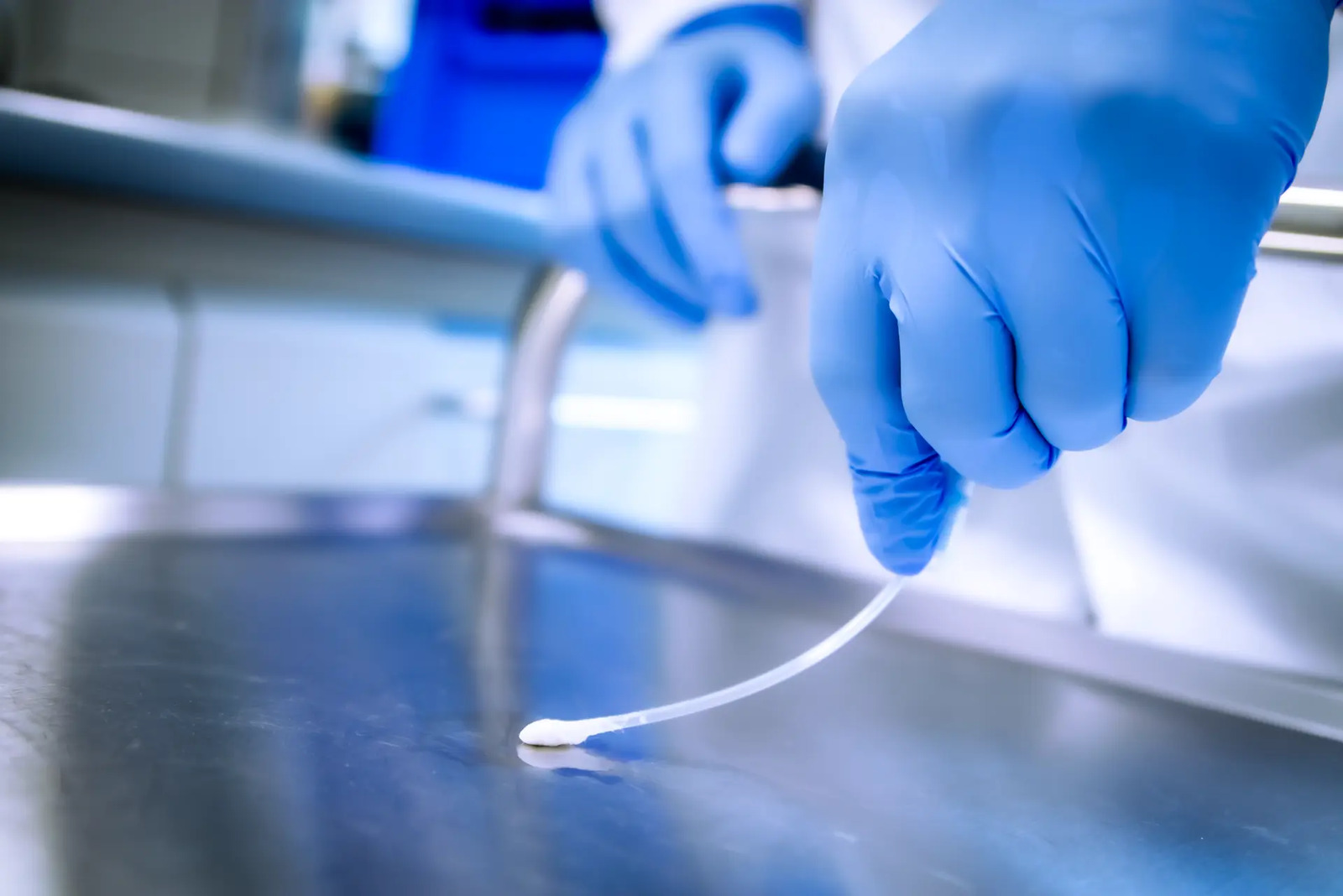
Rapid testing is now routinely used at many facilities alongside standard microbiological monitoring programmes. ATP testing and Listeria swab tests are among the most commonly used methods.
ATP tests do not detect Listeria itself, but they provide a quick indication of residual organic contamination. They are particularly useful immediately after cleaning, offering a fast and practical assessment of hygiene effectiveness.
Specific Listeria rapid tests are designed to detect the presence of Listeria bacteria or relevant indicator organisms. This allows potential risk areas within the production environment to be identified more quickly, without having to wait several days for laboratory results.
In addition to rapid testing, some manufacturers carry out challenge tests or shelf-life studies. These are used to assess whether Listeria can multiply during the product’s shelf life, particularly in ready-to-eat foods.
Rapid testing is no longer used solely for audit purposes. In addition to verifying cleaning performance, it is increasingly used to identify trends and recurring issues, such as repeated deviations linked to the same machine, production area or shift change.
ATP testing, environmental swabbing and microbiological monitoring also form part of many HACCP programmes and food safety systems such as BRCGS and IFS Food. These activities help identify recurring production risks as well as current hygiene performance.
Consequences of inadequate Listeria control
A Listeria contamination incident often extends far beyond the rejection of a single batch, particularly in the case of ready-to-eat products. Organisations may face product recalls, additional environmental and product testing, or even temporary production shutdowns. The impact is not limited to direct financial costs.
Listeria remains a significant food safety concern worldwide due to the potential health risks associated with contaminated food products. Food manufacturers are required to comply with food safety legislation and microbiological criteria designed to minimise the risk of contamination and protect consumers.
In addition, reputational damage, export restrictions and non-conformities identified during audits can have long-term consequences, particularly when vulnerable consumer groups are involved.
Why biofilm formation remains such a persistent problem
Biofilm can be described as a resilient layer in which bacteria attach themselves to surfaces and become more resistant to cleaning and disinfection. It is particularly difficult to remove completely from damaged stainless steel surfaces, joints, seams and porous materials.
One of the challenges is that biofilms are often found on surfaces that appear visibly clean. Condensation lines, conveyor rollers and the undersides of machinery are frequently identified as high-risk areas. As a result, cleaning alone is often no longer sufficient. Many food manufacturers also want faster ways to verify whether a surface is genuinely clean and hygienically safe.
The relationship between PPE and hygiene products
Within Listeria control programmes, a combination of disposable PPE, hand hygiene products and zone-specific cleaning materials is commonly used. Disposable overshoes, disposable aprons, disposable gloves and hairnets are often combined with colour-coded cleaning equipment and additional hand disinfection measures.
Particularly in facilities with strict hygiene segregation, greater attention is paid to how personnel, materials and transport equipment move throughout the production environment. In these settings, clothing changes, hand hygiene procedures and the use of zone-specific PPE play an increasingly important role in preventing cross-contamination.
Practical context: why Listeria often reappears after refurbishments
Following refurbishments or production line modifications, Listeria detections often increase. New drainage points, temporary production routes or opened-up flooring can disrupt established hygiene zones more easily than expected. These changes frequently create new moisture-retention areas or structures that are difficult to clean effectively.
For this reason, some companies carry out additional environmental swab testing during the weeks following technical modifications. This is not necessarily due to a known contamination issue, but rather to identify new potential risk areas at an early stage.
Advice from a specialist
Interested in how companies manage Listeria risks through cleaning, hygiene measures and rapid testing? Our specialists advise organisations across the food industry, catering sector and logistics operations on a daily basis.
Feel free to contact us at info@safetyproducts.com or call +31 (0)314 757 300.
Can Listeria grow in chilled environments?
Yes. This is one of the characteristics that makes Listeria different from many other foodborne pathogens. Listeria can continue to grow at refrigeration temperatures.
The risk is particularly high in chilled production and storage environments where moisture, condensation or difficult-to-clean equipment are present. Common examples include drains, conveyor systems, rubber seals and joints where biofilm formation can occur.
As a result, many food manufacturers place additional emphasis on cleaning, disinfection, monitoring and rapid testing within chilled areas and high-care environments.
What are the consequences of a Listeria contamination?
Healthy adults generally do not become seriously ill following exposure to Listeria. However, the consequences can be severe for vulnerable groups. Older adults, pregnant women, unborn babies and people with weakened immune systems are particularly at risk.
In severe cases, a Listeria infection can lead to blood poisoning, meningitis or pregnancy-related complications such as miscarriage or premature birth.
Can ATP testing detect Listeria?
No. ATP tests measure organic contamination and provide an indication of cleaning effectiveness. Specific detection of Listeria requires targeted microbiological rapid tests or laboratory analysis.
Does disinfection always eliminate Listeria?
Not necessarily. If surfaces have not been cleaned properly beforehand, or if biofilm is present, the effectiveness of disinfection can be significantly reduced.
Which regulations apply to Listeria?
Within Europe, Listeria monocytogenes is subject to specific microbiological criteria for food manufacturers. These requirements are laid down in Commission Regulation (EC) No. 2073/2005 on microbiological criteria for foodstuffs.
Particularly strict limits apply to ready-to-eat foods, as these products are often consumed without further cooking or reheating. Depending on the product and the supporting evidence provided by the manufacturer, Listeria may either be required to be absent in 25 g of product or remain below a maximum limit of 100 cfu/g throughout the product’s shelf life.
Manufacturers must be able to demonstrate that their products remain within the legal limits throughout the entire shelf life.
For this reason, food producers place significant emphasis on cleaning, disinfection, monitoring, environmental swabbing and microbiological testing as part of their HACCP programmes.
How common is Listeria contamination?
Cases of listeriosis are reported every year across Europe and other parts of the world. Although the overall number of reported infections is relatively low compared with many other foodborne illnesses, the consequences can be severe, particularly for vulnerable groups.
As a result, food manufacturers, laboratories and regulatory authorities continue to devote significant attention to Listeria control and prevention.
Where is Listeria most commonly found?
Listeria is most commonly associated with chilled and unpackaged food products, as well as environments where food is processed or stored. Industries in which Listeria control is particularly important include:
- Meat processing
- Fish processing
- Dairy production
- Fresh produce processing
- Ready-to-eat food production
- Chilled storage and logistics
- Food manufacturing and food processing
Wet production environments present an increased risk. Drains, conveyor systems and difficult-to-clean machine components are particularly susceptible to biofilm formation and cross-contamination.
You might also like
Elka Pro: water- and chemical-resistant protective clothing for professional cleaning
PU-coated waterproof clothing for professional cleaning Protective clothing is put to the test during professional clean...

Complaints caused by safety footwear: causes and solutions
Recognise the signs early and find out what you can do to prevent problems From painful feet to back problems: why fit,...
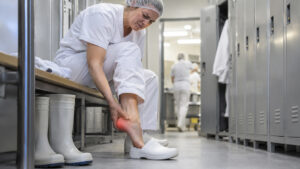
Heel Spur and Heel Pain: The Role of Elten Wellmaxx
The impact of cushioning and support during prolonged standing and walking Those who spend a lot of time standing and wa...
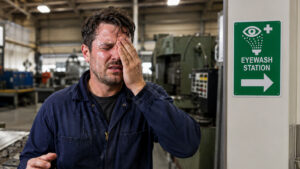
Detectaplast Eye Wash for Rapid First Aid in Workplace Incidents
From eye wash bottles and single-dose units to complete Eye Wash Stations for a range of eye hazards A speck of dust, sp...

Safety Products | Select Partner of Christeyns Food Hygiene
Professional Cleaning and Disinfection. One Complete Solution. One Partner. As a Select Partner of Christeyns Food Hygie...

PIP and Safety Products: A Partnership That Goes Beyond Products
Close collaboration, specialist expertise and support for complex PPE challenges Personal protective equipment is becomi...
Atlas FIT-DAY: Safety Footwear Starts with the Right Fit
A safety shoe only protects properly when it fits correctly For our on-site fitting service and safety footwear advice,...

The Benefits of Martor Safety Knives
From Automatic Blade Retraction and ergonomic design to metal-detectable safety solutions Safe cutting may seem straight...

Heat stress at work: risks and solutions
Staying safe while working in extreme heat and high temperatures During hot summer days, temperatures can rise quickly i...
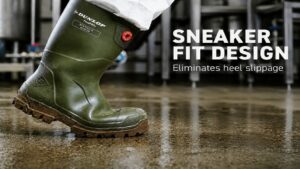
Dunlop SneakerFit: A New Generation of Safety Boots
How the fit of a safety boot affects comfort, stability and safety Traditional safety boots are known for their protecti...
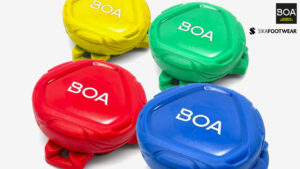
Sika Colored BOA Fit System: Colour-Coded and Replaceable
Colour-coded and modular BOA closures for Sika safety footwear In the food industry, visual identification is often an i...
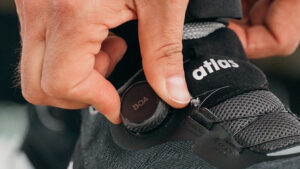
BOA Fit System: the smart innovation behind modern Safety Footwear
A smart combination of comfort, safety and convenience for every working day The BOA closure has firmly established itse...