Micromesh Products for Enhanced Food Safety
Ultra-Fine Mesh for Better Contamination Control
Food-grade nylon micromesh products are mainly used in hygiene-critical production environments such as the food industry and the pharmaceutical sector, as well as similar high-risk areas. Common micromesh products include:
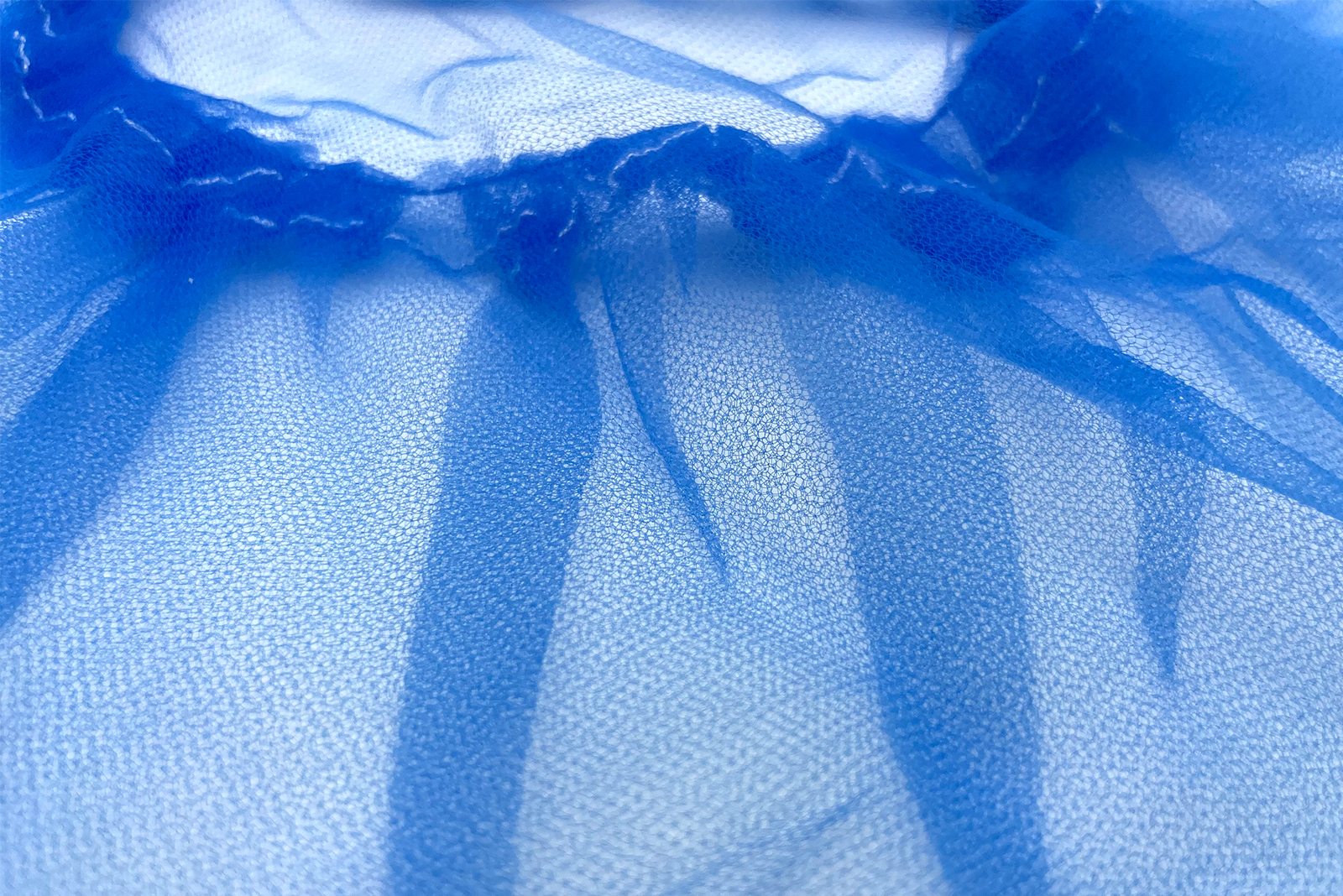
Enhanced hygiene and food safety protection
Food-grade micromesh disposables such as hairnets, beard covers and head covers have a finer and more closed structure than standard alternatives. This helps to retain hair, facial hair and skin flakes more effectively, significantly reducing the risk of contamination. As a result, they are particularly suitable for environments where hygiene is critical.
In addition, micromesh products are low-lint, breathable and designed for comfortable long-term use. They provide a better fit around the head and face, reducing the risk of hair or skin particles being released.
Using micromesh helps improve food safety, hygiene and process control, and supports standards such as:
- HACCP
- BRCGS Food Safety
- IFS
- EU Regulation (EC) No. 852/2004
Micromesh and related products
What is micromesh?
Micromesh refers to a fine, uniform mesh structure used in hygienic protective products. The effectiveness comes from the controlled mesh size and structure, providing reliable coverage and control of contamination risks.
Our micromesh products are made from nylon and combine this fine structure with lightweight, breathable comfort. This helps to effectively retain hair, facial hair and skin flakes, without compromising ease of use during prolonged wear.
In food and production environments, micromesh solutions offer a practical and reliable choice, aligning with hygiene protocols and standards such as HACCP, BRCGS and IFS.
Properties of nylon micromesh
The combination of properties makes nylon micromesh suitable for the food industry. The material is:
- Lightweight
- Breathable
- Low-lint
- Closed structure
These properties help to retain hair, facial hair and skin flakes more effectively. As a result,
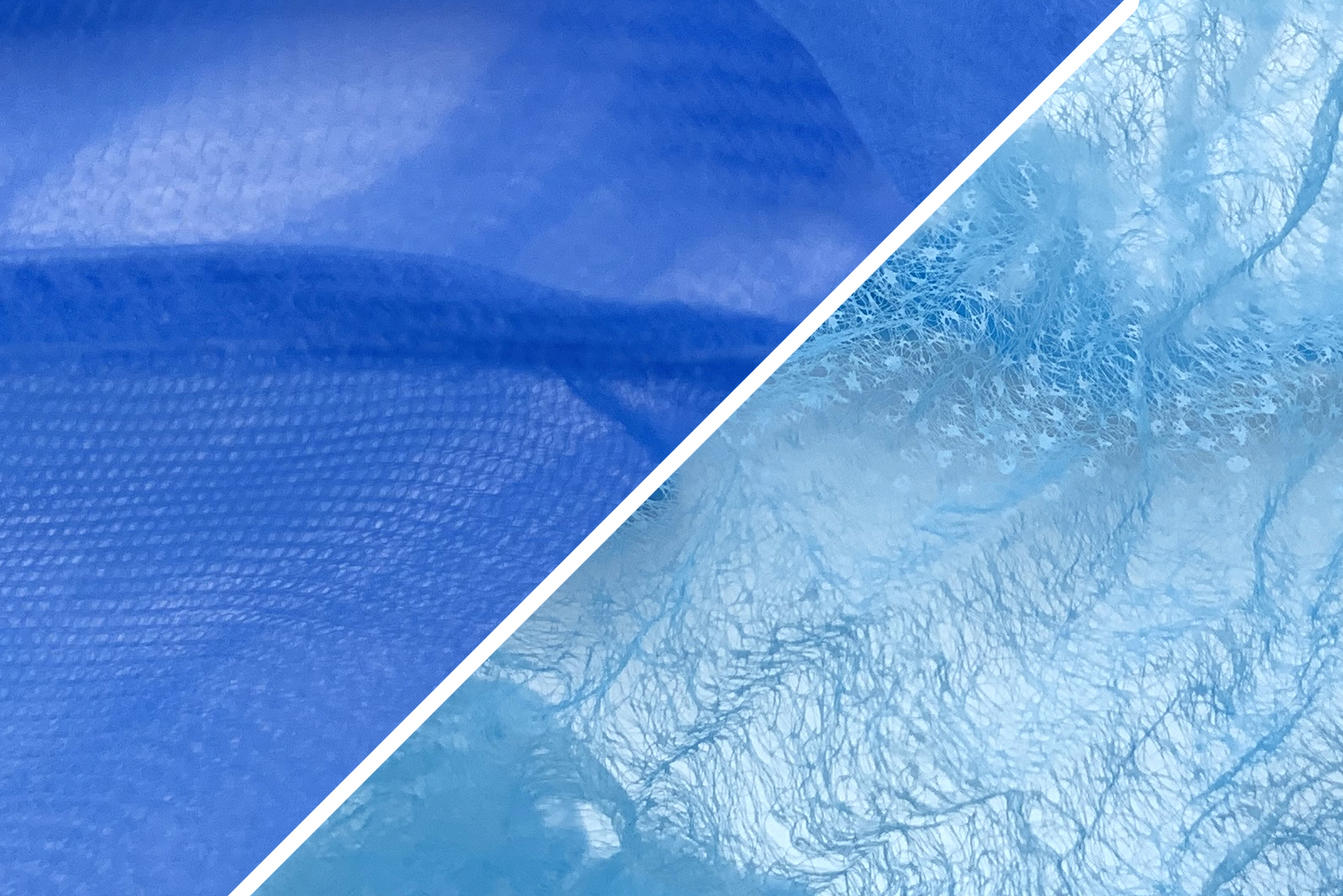
Micromesh versus traditional disposable head protection
In most environments, traditional disposable head protection, typically made from non-woven polypropylene, is used more frequently than micromesh products.
- Level of protection. Traditional head protection generally provides sufficient protection for most hygiene environments. However, in high-care areas and critical processes, micromesh products offer greater reliability, as they allow fewer hairs and contaminants to pass through.
- Cost considerations. In addition to offering a higher level of protection, micromesh products are typically slightly more expensive. The choice therefore depends on the required level of protection.
- Material properties. Micromesh has a controlled, uniform structure that ensures consistent performance in practice. Traditional non-woven materials tend to have more variable stretch and mesh openings.
An audit-ready choice you can rely on
When selecting micromesh, the choice is not only based on material or technical properties, but also on audit outcomes. Micromesh is often considered a more reliable solution, particularly in environments with strict hygiene requirements, where its use is frequently recommended.
This is mainly due to its consistent performance. Because disposable micromesh products deliver predictable performance, the risk of errors or contamination is reduced. This is often reflected in audits and quality assessments, where there is simply less discussion around correct use and replacement.
Eliminating visible and invisible risks
Hair, skin flakes, as well as residues from hair gel or hairspray, are a known source of physical contamination, particularly in environments with unpackaged food, such as the dairy and cheese industries. For this reason, many organisations are choosing fine mesh head protection to effectively limit the release of these contaminants.
However, the risk is not only visible. Hair can carry bacteria such as Staphylococcus aureus, originating from the skin. Standards such as HACCP, BRCGS and IFS Food require these risks to be demonstrably controlled, both in procedures and on the shop floor. In these situations, micromesh is often the more reliable choice.
Combined solutions for enhanced safety
Not every production environment requires the highest level of coverage. However, micromesh is increasingly chosen. In lower-risk areas, a standard hairnet is often sufficient, yet micromesh is still frequently preferred, for example due to its improved fit and coverage.
For facial hair, micromesh beard covers are often selected. Beard hairs tend to shed more easily and are usually shorter and stiffer. Often, a combination of a micromesh beard cover and a standard hairnet is often used to provide better control over loose facial hair.
How to wear a beard cover

A beard cover only works effectively if all facial hair is fully covered. It must fit securely, covering the chin and moustache, and should only be used once. Otherwise, its effectiveness quickly decreases and the risk of contamination increases.
How to wear a hairnet

A hairnet must fully cover all hair. Common mistakes include visible hair around the hairline, neck or temples, and a hairnet that does not fit properly. This may seem like a small detail, but these types of issues are often noticed during inspections and can lead to contamination.
Micromesh head covers for maximum control
Micromesh head covers provide full coverage of the head, neck and ears. Their fine mesh structure and secure fit help to effectively contain hair and skin flakes, while remaining lightweight and breathable for comfortable use.
In hygiene-sensitive sectors such as the food industry, they are a standard part of contamination control. They help meet hygiene guidelines and, in stricter environments, are often combined with additional protective measures for maximum assurance.
Commonly used and combined disposables
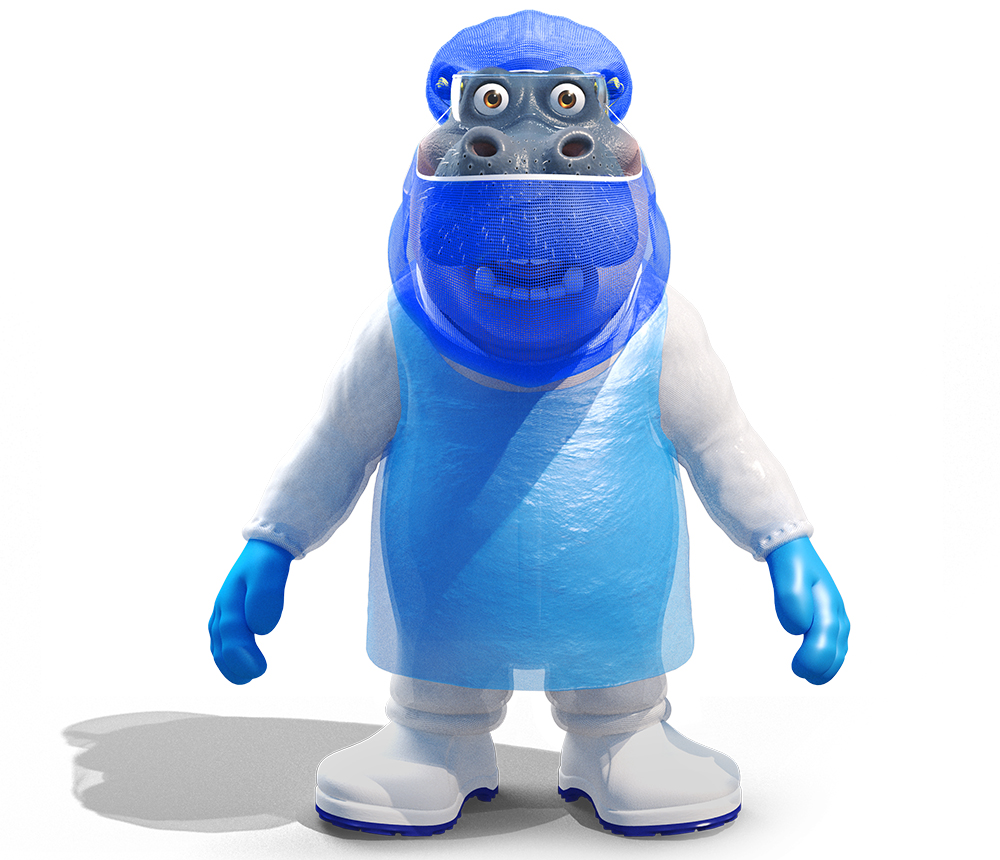
In addition to micromesh products, a wide range of food-grade disposable items are used in hygienic environments to maintain hygiene and food safety.
Common disposable products:

Advice from a disposable PPE specialist
Want to know more about micromesh products? Or looking for the right option for your organisation? Feel free to get in touch. Our specialists can help you choose the right micromesh solution.
Email us at info@safetyproducts.com or call +31 (0)314 757 300.
You might also like

Elka Pro: water- and chemical-resistant protective clothing for professional cleaning
PU-coated waterproof clothing for professional cleaning Protective clothing is put to the test during professional clean...

Complaints caused by safety footwear: causes and solutions
Recognise the signs early and find out what you can do to prevent problems From painful feet to back problems: why fit,...

Heel Spur and Heel Pain: The Role of Elten Wellmaxx
The impact of cushioning and support during prolonged standing and walking Those who spend a lot of time standing and wa...

Detectaplast Eye Wash for Rapid First Aid in Workplace Incidents
From eye wash bottles and single-dose units to complete Eye Wash Stations for a range of eye hazards A speck of dust, sp...

Safety Products | Select Partner of Christeyns Food Hygiene
Professional Cleaning and Disinfection. One Complete Solution. One Partner. As a Select Partner of Christeyns Food Hygie...

PIP and Safety Products: A Partnership That Goes Beyond Products
Close collaboration, specialist expertise and support for complex PPE challenges Personal protective equipment is becomi...

Atlas FIT-DAY: Safety Footwear Starts with the Right Fit
A safety shoe only protects properly when it fits correctly For our on-site fitting service and safety footwear advice,...

The Benefits of Martor Safety Knives
From Automatic Blade Retraction and ergonomic design to metal-detectable safety solutions Safe cutting may seem straight...

Heat stress at work: risks and solutions
Staying safe while working in extreme heat and high temperatures During hot summer days, temperatures can rise quickly i...

Dunlop SneakerFit: A New Generation of Safety Boots
How the fit of a safety boot affects comfort, stability and safety Traditional safety boots are known for their protecti...

Listeria in the food industry
Food-safe cleaning with rapid testing and ATP monitoring Listeria monocytogenes remains a difficult risk to control with...
Sika Colored BOA Fit System: Colour-Coded and Replaceable
Colour-coded and modular BOA closures for Sika safety footwear In the food industry, visual identification is often an i...